Silicone foam is used in selected EV battery pack designs for cushioning, enclosure sealing, gap filling, and insulation. It can be converted into pads, gasket frames, and custom die-cut parts to fit the available assembly space.
Choosing a suitable material starts with its job in the pack. A cushioning pad, an enclosure seal, and an insulation layer have different requirements. This guide explains the main applications, the properties to compare, and the details to provide when ordering custom silicone foam parts.
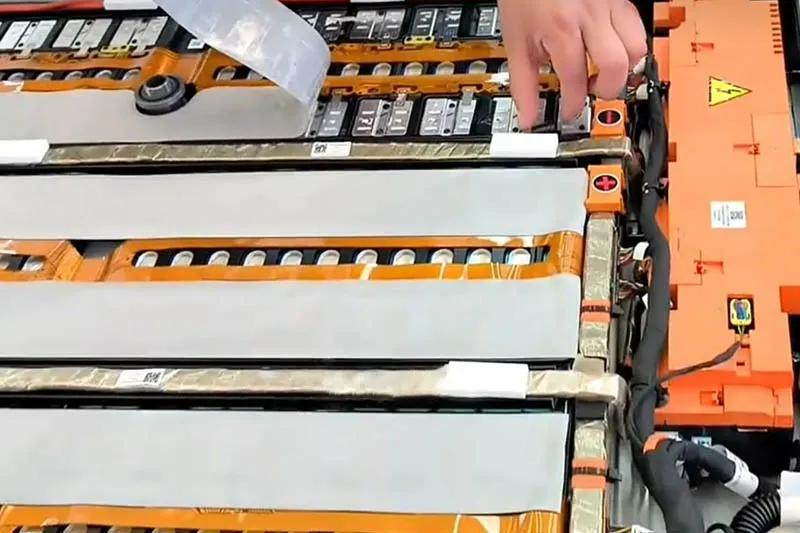
Silicone foam pads can be placed between selected module components or supporting surfaces to cushion contact and accommodate assembly gaps. The pad must fit within the available space while applying an acceptable load to adjacent components.
If a pad is intended to accommodate cell movement or swelling, define the expected displacement and allowable pressure with the battery design team. A generic foam sheet should not be specified for this role based on softness alone.
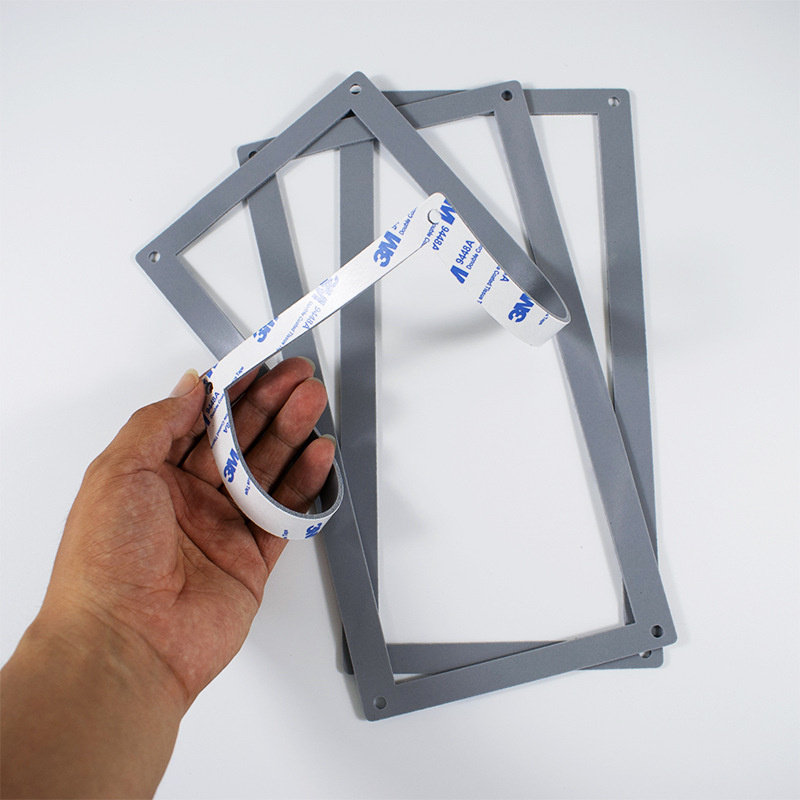
Custom silicone foam gaskets can follow the perimeter of an enclosure lid, cover, or access panel. Their shape can include mounting holes and cutouts that match the housing. Sealing performance depends on the material, compressed thickness, joint geometry, and assembly load.
Selected silicone foam grades may provide thermal or electrical insulation around battery-related components. Confirm the relevant properties for the intended thickness and environment. An insulating layer and a pad intended to transfer heat serve different functions.
For an explanation of this distinction, read silicone foam thermal conductivity vs. thermal insulation.
These properties vary by formulation and construction. Use data for the proposed grade when comparing materials rather than assuming that all silicone foams offer the same performance.
Start with the assembly drawing and operating conditions. Thickness, density, or hardness alone cannot describe how a foam component will behave after installation.
| Selection Factor | What to Specify |
|---|---|
| Part function | Identify whether the component provides cushioning, enclosure sealing, gap filling, or insulation. |
| Thickness and dimensions | Provide the free thickness, installed gap, overall size, and dimensional tolerances. |
| Compression behavior | Specify the working compression range, acceptable load, and recovery requirements. Request compression force data where available. |
| Operating environment | State continuous and peak temperatures, moisture exposure, and contact with fluids or other materials. |
| Sealing requirements | Describe the joint and required test conditions. Confirm performance on the finished enclosure. |
| Electrical and flame requirements | Identify the test methods, required results, and material thickness relevant to the design. |
| Adhesive and installation | Specify the contact surface and whether adhesive is needed for positioning or retention. Assess adhesive suitability separately. |
Evaluate a sample in the assembly. Check fit, compression, part retention, and the required performance before approving production. For a seal, assess the complete joint; for a cushion, check the load transmitted to nearby parts.
Keep the functions separate: A flame-retardant classification alone does not establish thermal-runaway protection. Applications requiring a thermal barrier need evidence for the proposed material construction and battery assembly.
SENMA provides silicone foam materials and custom die-cut components for automotive, electronics, and industrial applications. Send a drawing or sample so the material, dimensions, and converting requirements can be reviewed together.
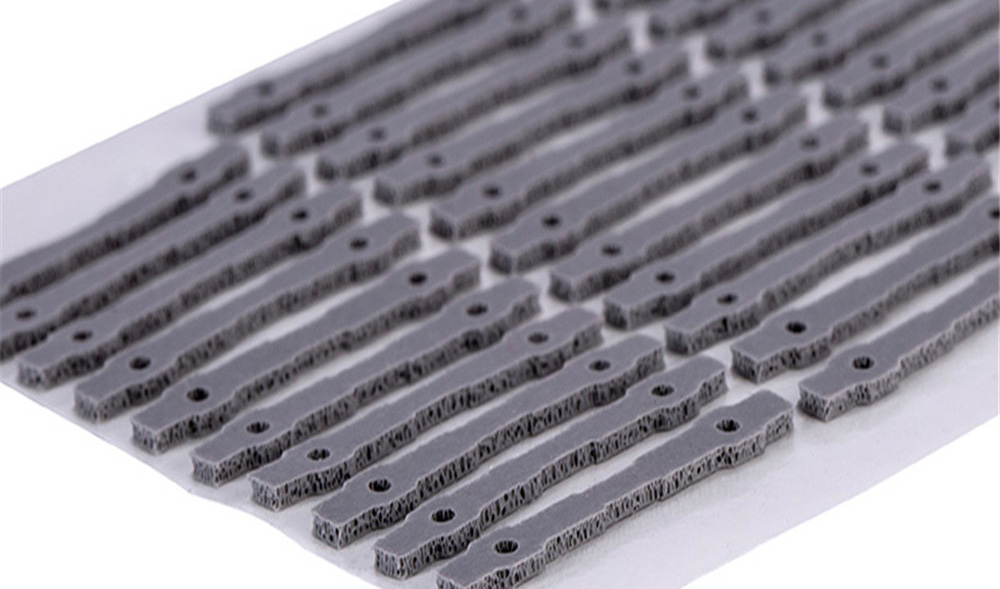
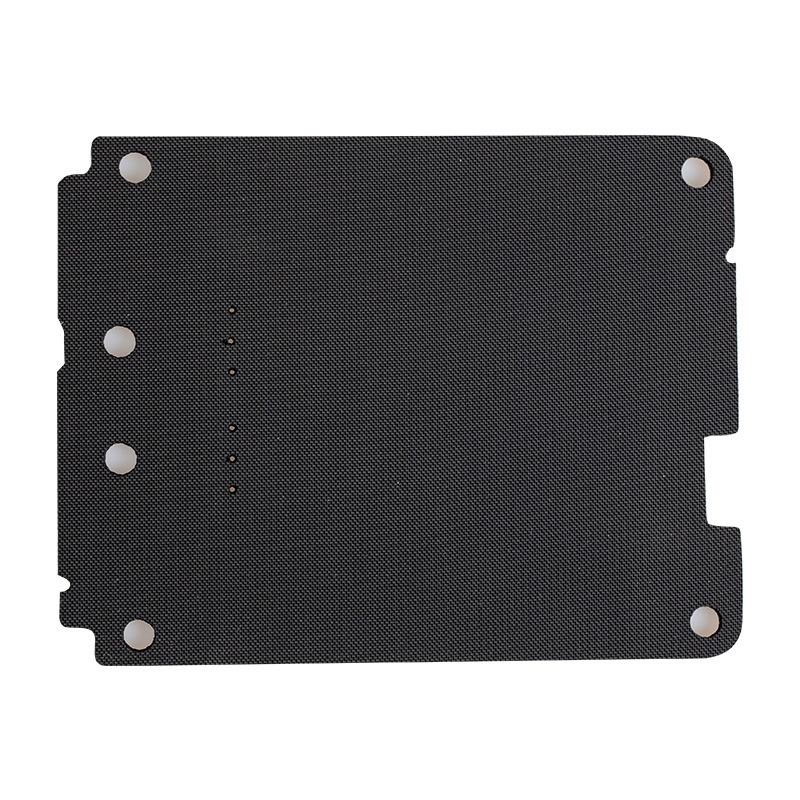
Typical requests include cushioning pads, gasket frames, insulation pads, and irregular parts with holes or cutouts. See our custom die-cut silicone foam sheets page for related component options.
Before quoting, confirm the material grade, thickness tolerance, hole positions, edge geometry, and any adhesive requirements. Available configurations and sample requirements can then be discussed for the project.
If the grade is not yet defined, provide the application requirements and available test criteria. This gives SENMA a clearer basis for reviewing material and sample options.
Silicone foam is considered for cushioning, gap filling, enclosure gaskets, and selected insulation applications. The appropriate grade and part design depend on the function, operating conditions, and required validation.
It can be evaluated for custom enclosure gaskets. Specify the joint geometry, thickness, working compression, and sealing test requirements. The finished enclosure needs to be assessed under the relevant conditions.
The suitable temperature range depends on the formulation and construction. Check continuous and short-term limits in the technical data for the exact grade, along with any adhesive or backing limits.
A flame-retardant classification alone does not demonstrate this. Thermal-runaway protection requires evaluation of the proposed barrier material, installation, and battery system under the relevant conditions.
SENMA can evaluate custom parts from drawings or physical samples. Provide dimensions, thickness, hole locations, cutouts, and application requirements so the material and converting method can be reviewed.
Sample requirements can be discussed with SENMA. Send the application details, drawing or sample, required material properties, and quantity to help assess a suitable sample option.
Need a cushioning pad, enclosure gasket, or custom-cut insulation part? Share your drawing, operating conditions, and target quantity so SENMA can review the material and manufacturing requirements.
Contact SENMA to discuss your silicone foam component, request a quotation, and review sample requirements.


