Buyer's guide · seven steps from enquiry to order
Silicone Foam & Custom Parts Procurement Guide
From the first enquiry to the delivered pallet: what to send us, what we review, and what gets confirmed in writing before a sheet is cut. Seven steps, in the order they actually happen.
We make silicone foam, silicone sponge, solid silicone sheet, thermal conductive material, reinforced silicone sheet and custom die-cut parts — and we customise size, thickness, density, hardness, colour, adhesive backing and die-cut shape to the project. Ten inputs let us evaluate a project in one pass instead of four.
Add the insulation, flame-retardancy, chemical-resistance and thermal-insulation standards the assembly has to meet. Naming the standard at enquiry stage is what makes the material recommendation usable instead of generic.
Each step ends with something concrete: a sample, an approved drawing, a document set, or a dated schedule in writing.
Send the inputs above. Our team reviews the application and recommends a material grade or a custom construction for you to evaluate — foam versus sponge, closed versus open cell, plain versus reinforced, adhesive or bare.
If the application is unusual, say what the part must survive rather than what it should be made of; the recommendation follows the requirement, not the other way round.
Standard material samples are typically available within 1–3 days. Custom die-cut samples are typically completed within 3–7 working days, depending on part complexity and the sampling request.
For a deadline-critical order, confirm the current sampling schedule with our sales team before you commit the date internally.
Standard samples 1–3 days · custom die-cut samples 3–7 working daysBefore a production run, buyer and SENMA confirm the final specification: material grade, dimensions and tolerance, quantity, adhesive or backing, appearance requirements, packaging, inspection criteria and any documentation that is required.
For custom parts, the approved drawing or approved sample is the basis for production and inspection — which is why the drawing carries the tolerance, not the email thread.
Quality control runs from raw material through to production. The technical data sheet for a specific grade, together with the test and compliance documents that exist for it, can be supplied for your review — which documents apply depends on the grade and the project.
Name any report, standard or document you need before the order is confirmed, so it is inside the schedule rather than bolted on afterwards.
Production lead time depends on material grade, order quantity, level of customisation, tooling or die-cut requirements, raw-material availability and approval status. The confirmed lead time and delivery schedule are stated in the quotation or the order confirmation.
For custom orders, the agreed schedule names the event that starts the clock — final specification or drawing approval, sample approval, or receipt of the purchase order and the required deposit.
If delivered product appears not to match the confirmed specification, contact us with the order number, product identification, photos or video, the affected quantity and a description of the issue.
Where appropriate, both sides review the approved specification, inspection evidence, storage conditions and the actual application conditions before agreeing corrective action. Rework, replacement, refund or any other remedy follows the confirmed sales terms and the outcome of the claim review.
Store the material under suitable conditions and follow the handling guidance issued for the grade. Service life and performance depend on the formulation, temperature exposure, compression, contact media, storage, installation and operating environment.
Where an application involves sustained high temperature, chemicals, battery electrolyte, flame exposure or electrical-safety requirements, ask for the recommendation specific to that grade.
The material families an RFQ most often lands in, with the property range that decides which grade gets recommended.
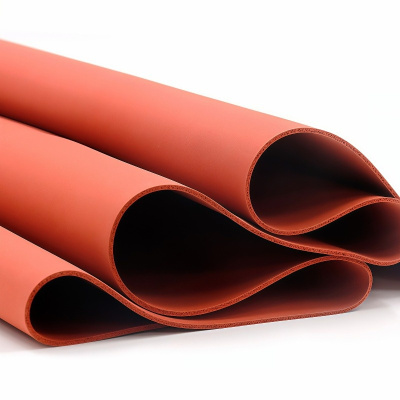
Sealing, spacing and dust containment under low clamping force, with a firm 15–45 Shore A interface.
0.85–1.0 g/cm³ · 1.0–30 mm · -60 to +220 °C
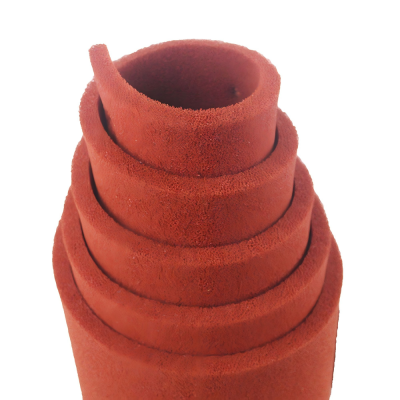
The lightest family we quote, for padding and acoustic layers where a gram budget has to hold.
0.13 g/cm³ · 1–30 mm · -60 to +250 °C · Shore A 10
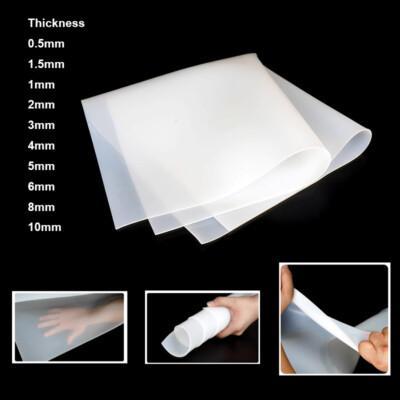
Non-cellular sheet for gaskets and sealing faces that need a denser, dimensionally stable material.
20–80 Shore A · 0.3–20 mm · -60 to +230 °C · up to 1500 mm wide
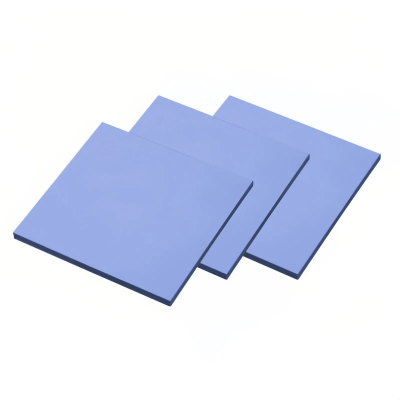
Soft gap-filling interface for heat transfer between a component and its housing or heat sink.
1.0–8.0 W/(m·K) · 0.3–5.0 mm · Shore OO 20–60 · -50 to +200 °C
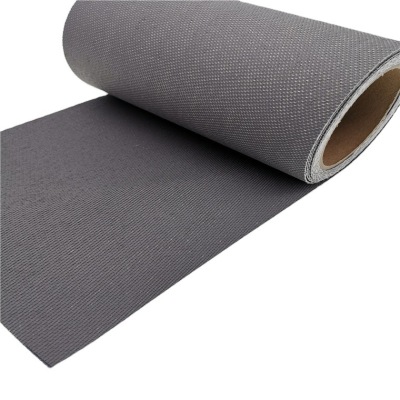
Mesh reinforcement carries structural stability where a plain foam would sag or tear.
0.5–1.2 g/cm³ · tensile 3.0–8.0 MPa · UL94 V-0 option
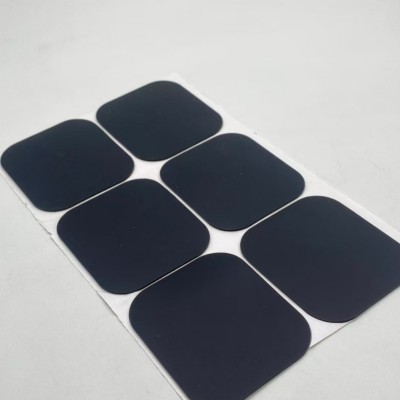
Any of the families above converted to your drawing, with pressure-sensitive adhesive and a release liner.
1–20 mm thickness · 0.5 mm minimum cut size
The five questions that come up before the first order is placed.
Standard material samples are typically available within 1–3 days. Custom die-cut samples are typically completed within 3–7 working days, depending on part complexity and the sampling request.
If you are working to a fixed deadline, confirm the current sampling schedule with our sales team before committing to it internally.
Material type, application, drawing or dimensions, thickness, target density or hardness, operating temperature, compression requirement, bonding requirement, estimated quantity and any compliance standard that applies.
For battery and electrical work, add the insulation, flame-retardancy, chemical-resistance and thermal-insulation requirements. With those ten inputs we can recommend a grade and quote it in one pass.
Lead time depends on material grade, order quantity, level of customisation, tooling or die-cut requirements, raw-material availability and approval status, and it is stated in the quotation or order confirmation.
For custom orders the agreed schedule names the starting event: final specification or drawing approval, sample approval, or receipt of the purchase order and the required deposit.
The technical data sheet for the specific grade, plus the test and compliance documents that exist for that grade. Which documents apply depends on the material you select and on the project requirement.
Tell us the reports, standards or documents your inspection team needs before the order is confirmed, so they are produced as part of the schedule.
Contact us with the order number, product identification, photos or video, the affected quantity and a description of the issue. Where appropriate, both sides review the approved specification, the inspection evidence, the storage conditions and the actual application conditions before corrective action is agreed.
Rework, replacement, refund or any other remedy follows the confirmed sales terms and the outcome of that claim review.
Attach a drawing or a sketch, the thickness and density target, the operating temperature and your quantity. We come back with the grade, the sample schedule and a quotation.