Search History

Custom Foam Spec & Capability Playbook

This page works like a specification tool rather than a brochure: start from the property you need, read the published envelope, then see what each choice costs you elsewhere. The figures come from the data sheet behind the Custom Liquid Silicone Foam range — a closed-cell silicone elastomer produced by controlled platinum-catalysed foaming of liquid silicone rubber — so a design engineer can move from requirement to feasible spec, then to a fabrication form and a first-article part without guessing. If you are benchmarking alternatives, read every Liquid Silicone Foam Supplier the same way: the standard column governs the data sheet, and wider made-to-order values are quoted per project.

0.25–0.60 g/cm³ Standard foam density
10–30 Shore 00 Standard hardness
UL94 V-0, HF-1 Flame resistance
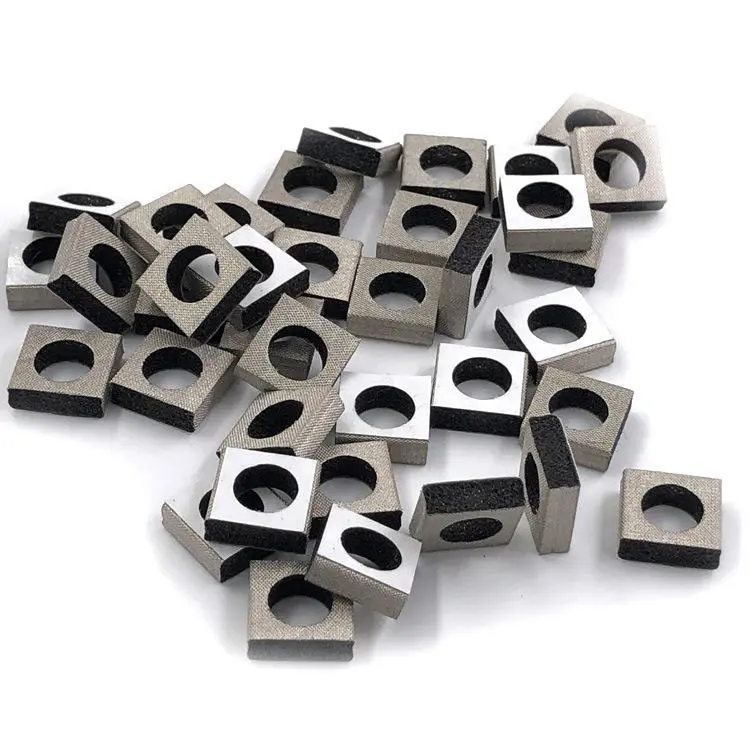
liquid silicone foam
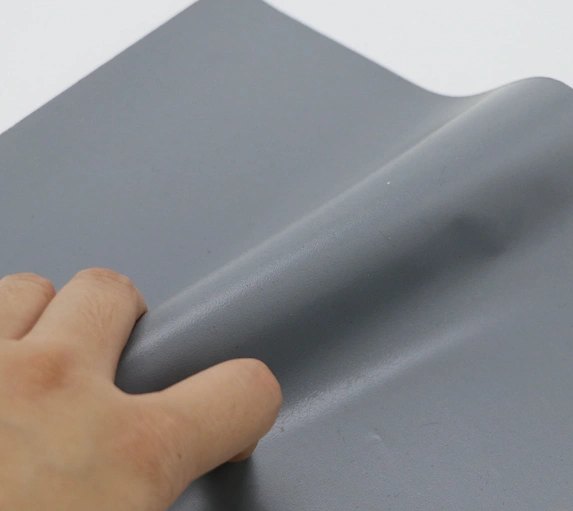
Liquid silicone foam sheet

The capability envelope, in one table

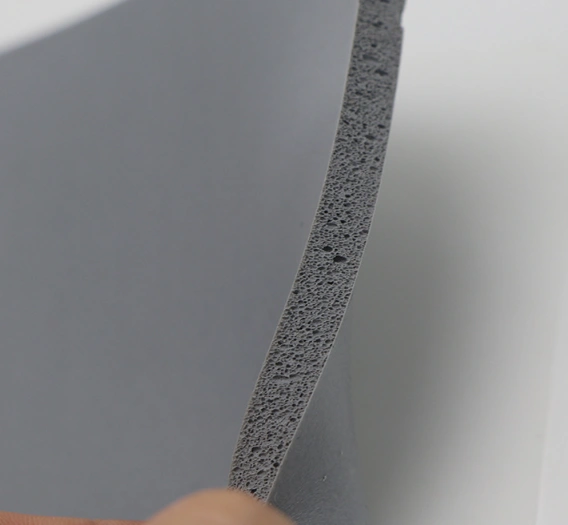
Two columns, two different promises. The standard column is what the published data sheet commits to and what you can design against without a special agreement. The made-to-order column is the wider window the Customization section lists — it exists, but each of those values is quoted per project and confirmed on the first-article report. Closed-cell architecture above 90% porosity is what makes the barrier, cushioning and insulation behaviour possible in the same sheet.

Swipe sideways to see every column →
Parameter Standard range Made-to-order range Verification method
Foamed density 0.25 – 0.60 g/cm³ 0.25 – 0.90 g/cm³ Weight ÷ volume on a cut sample
Hardness 10 – 30 Shore 00 (Asker C) 10 – 80 Shore 00 Shore 00 durometer reading on a stacked coupon
Operating temperature −50 °C to +200 °C −60 °C to +250 °C Compression set after 22 h @ 200 °C
Thickness 0.5 – 50 mm, made to order across the full band Micrometer check across the sheet
Flame resistance UL94 V-0, HF-1 Confirmed per density and thickness Listing reference on the first-article report
Compression set < 10 % (22 h @ 200 °C) Quoted at your service temperature 22-hour compression-set jig
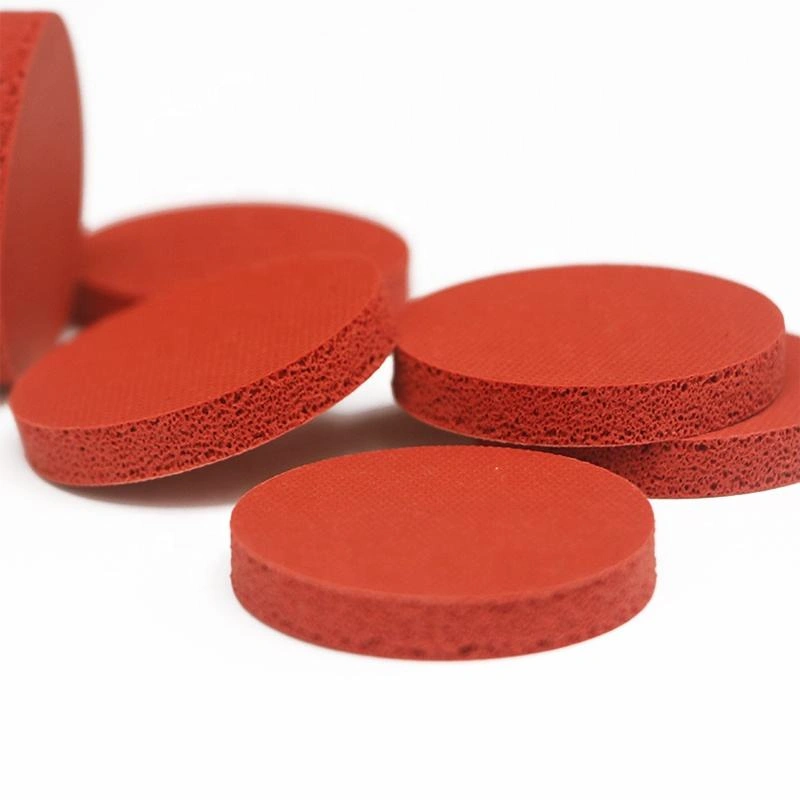
Porosity / cell structure > 90 % closed cell Tuned with density Cross-section cell inspection
Rebound resilience > 50 % Reduced as hardness drops toward 10 Shore 00 Rebound ball test
Tear strength 3 – 8 kN/m Lower end at the lightest densities Trouser tear test
Thermal conductivity 0.08 – 0.12 W/(m·K) Total resistance set by cut thickness Guarded hot-plate measurement
Chemical resistance Water, ozone, UV radiation, weak acids and alkalis Immersion and weathering exposure

Figures in the standard column govern the data sheet. Wider made-to-order values are quoted per project and confirmed on the first-article report — so treat the standard column as your design baseline and the made-to-order column as a conversation starter with the foam factory.

What each priority costs you elsewhere

Every parameter on that table pulls against another. Pick the priority that matters most to your part, then read the trade-off before you put a number in the drawing — this is the step where most custom foam specifications quietly fail.

Priority 01

Lowest weight

What you gainDensity driven down to the bottom of the 0.25 g/cm³ band.

What it costsTear strength sits nearer the 3 kN/m floor of the published 3 – 8 kN/m range, and compression-set margin narrows as the cell walls thin.

Buyer decisionIf the part is a handling or structural spacer rather than a pure insulator, hold density mid-band and accept the extra mass.
Priority 02

Softest seal / compression

What you gainHardness toward the 10 Shore 00 floor of the standard band, for low closing forces on thin housings.

What it costsRebound sits closer to the 50 % floor and compression-deflection travel increases, so a shallower groove will bottom out.

Buyer decisionSize the groove around the deflection you can tolerate, not around the nominal hardness number alone.

Priority 03

Highest temperature

What you gainMade-to-order resilience to +250 °C, against a standard window of −50 °C to +200 °C.

What it costsThe published compression set of < 10 % is tested at 22 h @ 200 °C — the number you actually need is the one measured at your service temperature.

Buyer decisionDesign against 200 °C as the tested point and treat 250 °C as a quote-only condition until data is issued for your part.

Priority 04

Flame-rated (EV / battery)

What you gainInherent flame retardancy listed as UL94 V-0 and HF-1, relevant to battery packs and EV power systems.

What it costsA listing is tied to a density and thickness — it does not automatically travel to every variant you might specify.

Buyer decisionAsk for the rating to be confirmed at your density and thickness on the first-article report before tooling is released.

Priority 05

Thermal insulation

What you gainA published conductivity band of 0.08 – 0.12 W/(m·K) across the foam range.

What it costsConductivity is a material property, but the thermal resistance you actually get comes from how thick you cut it — and thickness drives cost and stack height.

Buyer decisionChoose thickness inside the 0.5 – 50 mm window first, then pick density, rather than chasing density alone.

From application to starting specification

The data sheet names aerospace, automotive, electronics and medical use, along with battery packs, EV power systems, aerospace enclosures and industrial energy management. Each of those pulls a different starting point out of the envelope above.

EV battery pack and power systems

Flame and compression load in the same part.

Starting point

Standard density band 0.25 – 0.60 g/cm³ with UL94 V-0 / HF-1, compression set < 10 % at 22 h @ 200 °C, and a die-cut gasket or kiss-cut blank for volume assembly.

Buyer decision

Confirm the flame listing at the exact thickness you have drawn. A rating on the sheet is not automatically a rating on your 2 mm part.

Electronics enclosure sealing

Moisture, dust and gas barrier on a thin wall.

Starting point

> 90 % closed-cell structure, hardness 10 – 30 Shore 00, thickness inside 0.5 – 50 mm, converted as a die-cut gasket.

Buyer decision

Balance closing force against deflection: softer foam seals on less force but needs a deeper groove to stay in compression.

Thermal insulation layers

Industrial energy management and enclosure walls.

Starting point

Conductivity 0.08 – 0.12 W/(m·K), thickness chosen across the 0.5 – 50 mm band, supplied as a roll where the layer runs long.

Buyer decision

Set thickness from your heat-flow target first, then check that the density needed for the thickness still meets your tear requirement.

Cushioning and vibration dampening

Aerospace enclosures and precision assemblies.

Starting point

Rebound above 50 %, tear strength 3 – 8 kN/m, 3D molded forms where the part has to follow a contoured housing.

Buyer decision

If the geometry is not a flat cut, plan for a mold: a 3D molded form has tooling lead time that a kiss-cut blank does not.

Four ways the foam leaves the factory

The same material ships in four conversions, all within the 0.5 – 50 mm thickness band. The conversion you pick changes your tooling cost, your assembly time and your scrap rate far more than the density does.

Rolls

Continuous sheet for in-house cutting or for insulation runs. Lowest tooling, highest responsibility on your own cutting line.

Die-cut gaskets

Finished outlines cut to your drawing. The default choice for enclosure seals and battery-pack interfaces at production volume.

Kiss-cut blanks

Cut through the foam but not the carrier, so the part peels off at the assembly station instead of being separated by hand.

3D molded forms

Contoured parts molded rather than cut. Worth the tooling when the housing is not flat or when cushioning needs a shaped profile.

The eight data points a quote actually needs

A foam quote is only as accurate as the envelope it is priced against. Send these eight and the response comes back as a price instead of a question.

  • 1Density in g/cm³, anywhere between 0.25 and 0.90.
  • 2Hardness in Shore 00, from 10 up to 80.
  • 3Thickness in mm, inside the 0.5 – 50 mm band.
  • 4Form — roll, die-cut gasket, kiss-cut blank or 3D molded.
  • 5Drawing and tolerance for the finished outline.
  • 6Service temperature — the number decides whether you stay inside −50/+200 °C or ask for the −60/+250 °C window.
  • 7Flame requirement — whether UL94 V-0 / HF-1 must be confirmed at your density and thickness.
  • 8Annual volume and target delivery schedule, so tooling and amortisation can be priced in.

Related Reading

Three notes to help clarify product requirements before contacting the supplier.

How to Select a Liquid Silicone Foam Manufacturer for Industrial Projects

A liquid silicone foam manufacturer is worth shortlisting when its production scope, supply forms, and material records match the sealing, cushioning, or insulation work required for an industrial…

Read article

Choosing a Liquid Silicone Foam Supplier for Sealing Parts

The clearest way to compare liquid silicone foam suppliers for sealing parts is to judge how well they connect material data, sample questions and supply-form support to the joint, drawing stage and…

Read article

Specifying OEM Liquid Silicone Foam for Sealing and Cushioning Parts

An OEM sealing or cushioning part is easy to sketch but hard to specify because the useful first supplier answer depends on use conditions, forming form, drawing control, and branding intent.

Read article

Frequently Asked Questions

what density range can i specify for the foam?

the published data sheet lists a standard foamed density of 0.25 – 0.60 g/cm³. the customization section widens that to 0.25 – 0.90 g/cm³; values above 0.60 g/cm³ are made to order and quoted per project.

how hard is the foam, and in which scale is it measured?

standard hardness is 10 – 30 shore 00, measured on the asker c scale. made-to-order parts can be supplied from 10 up to 80 shore 00, which covers soft sealing grades through much firmer cushioning grades.

what compression set can the foam hold under heat?

compression set is published as less than 10 % after 22 hours at 200 °c, alongside a rebound resilience above 50 %. if your part runs near or beyond 200 °c, ask for the compression set data to be measured at your service temperature.

which flame ratings does the material carry?

flame resistance is listed as ul94 v-0 and hf-1. because a flame listing is tied to a specific density and thickness, confirm that the rating applies to the exact variant you have specified before the tooling is released.

what thickness and delivery forms are available?

thickness runs from 0.5 mm to 50 mm, made to order across the full band. material is supplied as rolls, die-cut gaskets, kiss-cut blanks or complex 3d molded forms, so the same sheet can be a roll for your own cutting line or a finished gasket for the assembly station.

what operating temperature and thermal conductivity should i design against?

the data sheet states an operating range of −50 °c to +200 °c with thermal conductivity of 0.08 – 0.12 w/(m·k). a wider made-to-order window of −60 °c to +250 °c is available, but those figures are quoted per project rather than promised on the sheet.

Get a quotation

If you have any queries, get in touch today! Don't hesitate. We try to take the extra step for our customer satisfaction.
Name
Email *
Phone
Message
Leave a message
Name
Email *
Phone
Message