To choose the right silicone foam sealing strip, start with the installed gap, required compression force, cell structure, and working environment. Then confirm the profile, dimensions, temperature limits, and long-term recovery of the specific material grade.
A strip that feels soft by hand may still require too much force across a large cabinet door. A heat-resistant foam may also need a different adhesive for a warm or textured mounting surface. This guide explains how to compare the options and prepare a clear specification for custom silicone foam sealing strips.
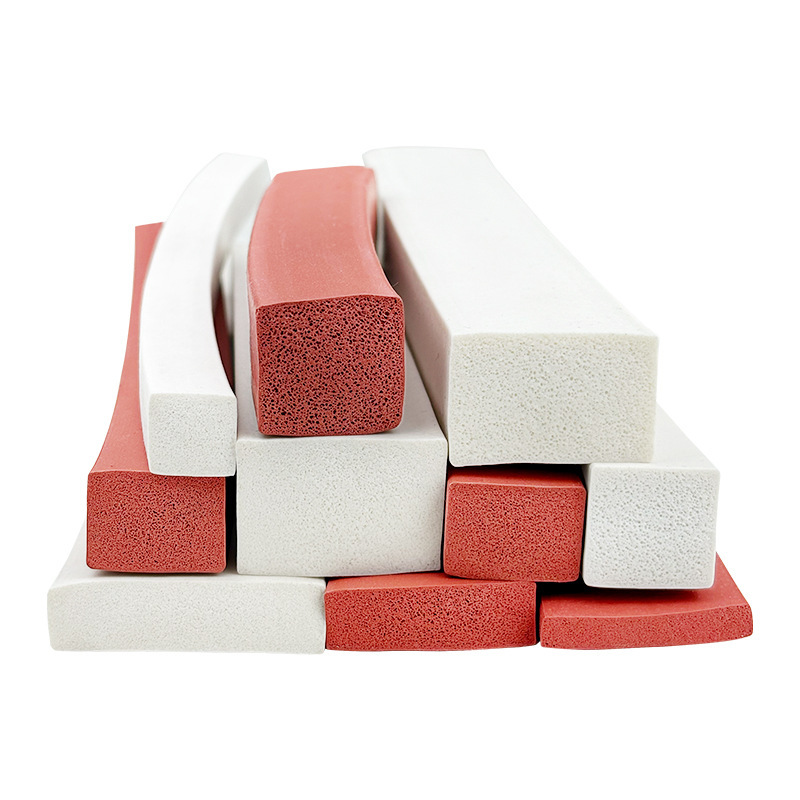
Match the strip profile and material grade to the joint, closing force, and working environment.
A silicone foam sealing strip is a cellular silicone profile used to fill gaps between mating surfaces. When correctly selected and compressed, it can provide cushioning, reduce component contact, and help limit dust or moisture entry. Typical locations include enclosure doors, inspection covers, equipment panels, and appliance housings.
Strips may be slit from sheet material or produced as extruded profiles. Rectangular, square, round, D-shaped, and custom cross-sections suit different joints. Some products are supplied with pressure-sensitive adhesive (PSA) backing to assist positioning during assembly.
The terms silicone foam and silicone sponge are not enough to define a purchase specification. Confirm the grade, cell structure, dimensions, and test data rather than relying on the product name alone.
Density describes mass per unit volume and helps distinguish grades. It does not tell you the force needed to close a door or the recovery remaining after prolonged compression. Compare density alongside compression-force, compression-set, and mechanical data. For more detail, see our silicone foam density selection guide.
Ask which hardness scale and measurement method are used. Values on different Shore scales are not directly interchangeable. For a compressible seal, request compression-force deflection data at the intended compression level, with the specimen thickness and test conditions stated.
The material must make continuous contact without exceeding the force available from hinges, latches, fasteners, or the panel itself. Also check compression set and long-term recovery. Compare results only when temperature, exposure time, compression, and recovery conditions are comparable. A low compression-set value alone does not prove that sealing force will remain adequate.
Specify normal operating temperature, peak temperature, peak duration, and temperature cycling. A short-term heat rating is not a continuous-use rating, and different silicone grades can have different limits. Consider contact with oils, fuels, cleaning agents, steam, or other media separately from temperature.
If flame performance, food-contact suitability, or another controlled requirement applies, name the required standard and request documentation for the proposed material. A general silicone description is not evidence of compliance.
Closed-cell silicone foam is commonly a starting point for environmental sealing because its cell structure limits through-material paths for air and moisture. Performance still depends on the grade, thickness, compression, joints, and installation.
Open-cell silicone foam has interconnected pores and may suit ventilation, cushioning, or selected low-force applications. Evaluate liquid uptake and airflow where relevant. Neither cell structure by itself qualifies a finished enclosure for an IP protection rating.
Confirm length, dimensional tolerances, corner details, and how the ends will meet. PSA backing helps position a strip, but it should not be assumed to provide structural retention or to seal every joint. Adhesion depends on surface preparation, contact pressure, temperature, and the selected adhesive.
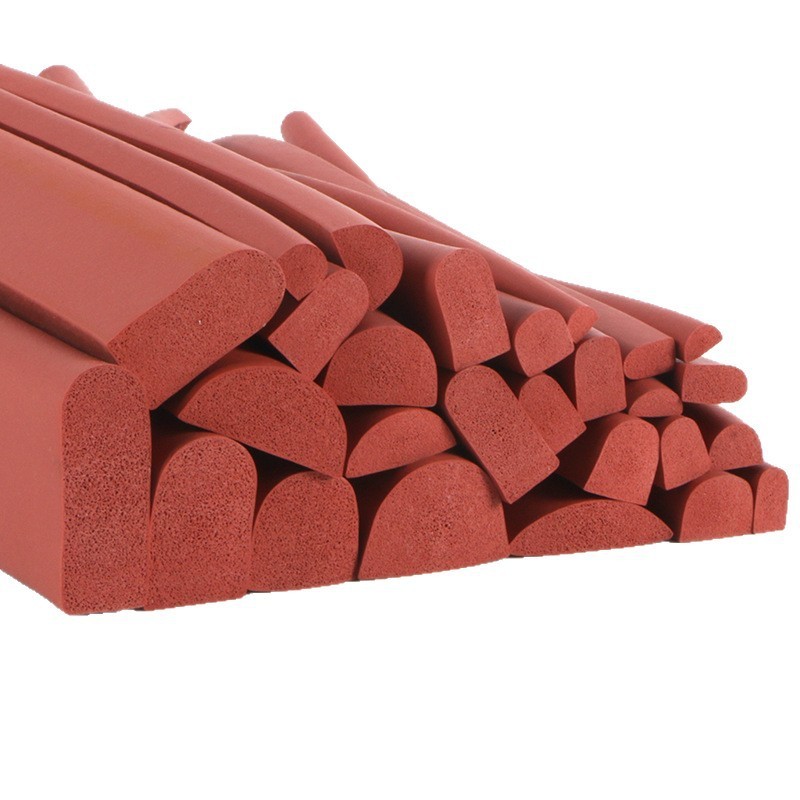
Profile shape affects how a seal fits the joint and compresses during assembly.
These materials serve different design needs. Compare suitable grades at the required thickness and compression rather than assuming one material is best for every seal.
| Selection factor | Silicone foam | EPDM foam | Solid silicone |
|---|---|---|---|
| Structure | Cellular; confirm cell structure and grade. | Cellular; available properties depend on the grade. | Non-cellular; hardness and geometry strongly affect compression. |
| Closing force | A suitable grade can accommodate a joint with limited closing force. | Can also suit compressible seals; compare force-deflection data. | Often requires more force than a soft foam of similar geometry. |
| Temperature | Often considered for demanding thermal conditions; confirm the exact grade. | Check the proposed grade against the actual thermal cycle. | Can suit thermal service; the specific compound controls its limits. |
| Outdoor exposure | Evaluate UV, ozone, moisture, and joint design. | EPDM also offers good weather and ozone resistance in suitable grades. | Evaluate the compound and full sealing assembly. |
| Practical decision | Consider when compliant sealing and thermal requirements must be balanced. | Consider when the environment, temperature, and project cost fit the grade. | Consider when the joint calls for a non-cellular elastomer and can accommodate its force. |
Chemical compatibility must be checked for all three options. Do not select a fuel, solvent, pressure, or moving seal from this general comparison alone.
Measure the joint in its fully assembled position. Use the gap range across the seal path, including panel distortion and assembly tolerances. For a simple, uniformly compressed rectangular strip:
Compression (%) = (uncompressed strip thickness − installed gap) ÷ uncompressed strip thickness × 100
Example: (4 mm − 3 mm) ÷ 4 mm × 100 = 25% compression.
If that installed gap varies from 2.8 to 3.2 mm, the same nominal 4 mm strip experiences 30% to 20% compression, before strip-thickness tolerances are included. Check the thickest strip at the smallest gap for excessive compression, and the thinnest strip at the largest gap for insufficient contact.
This is a calculation example, not a recommended stock size or universal compression range. Select the working range using the proposed grade’s force-deflection data and manufacturer guidance. Hollow, D-shaped, and other custom profiles require evaluation of their actual geometry.
A complete inquiry helps the supplier review the material, manufacturing method, and sample needs against the same requirements used for purchasing.
| Requirement | Information to provide |
|---|---|
| Drawing, profile, and size | Cross-section drawing or sample; width, thickness or diameter, length, units, and tolerances. |
| Installed joint | Minimum and maximum gap, groove details, corner layout, end joints, and available closing force. |
| Material response | Cell structure, target density, hardness with test scale, and any required compression-force or compression-set data. |
| Working environment | Normal and peak temperatures, exposure duration, cycling, fluids, cleaning agents, and indoor or outdoor use. |
| Assembly and finish | Adhesive requirement, substrate and surface finish, mechanical retention, and preferred color. |
| Validation and quantity | Required performance tests or documents, sample quantity, order quantity, and forecast demand if available. |
Inquiry example: “We need a rectangular silicone foam strip for an enclosure door. Please review the attached drawing, gap range, temperature conditions, and target closing force. We require adhesive backing for the stated panel finish. Please recommend a grade and quote the sample and production quantities listed.”
If density, hardness, or thickness is not yet defined, describe the application and installation gap instead of guessing a specification.
SENMA offers custom silicone foam strips for sealing and insulation, including dimensions, material options, colors, and optional adhesive backing. Depending on the selected material and profile, manufacturing options include slitting, cutting, die cutting, and custom extrusion.
Send the drawing or sample together with the working conditions and quantity. The proposed grade, dimensional tolerances, adhesive, and supporting test information should be confirmed for your project before sample approval or production.
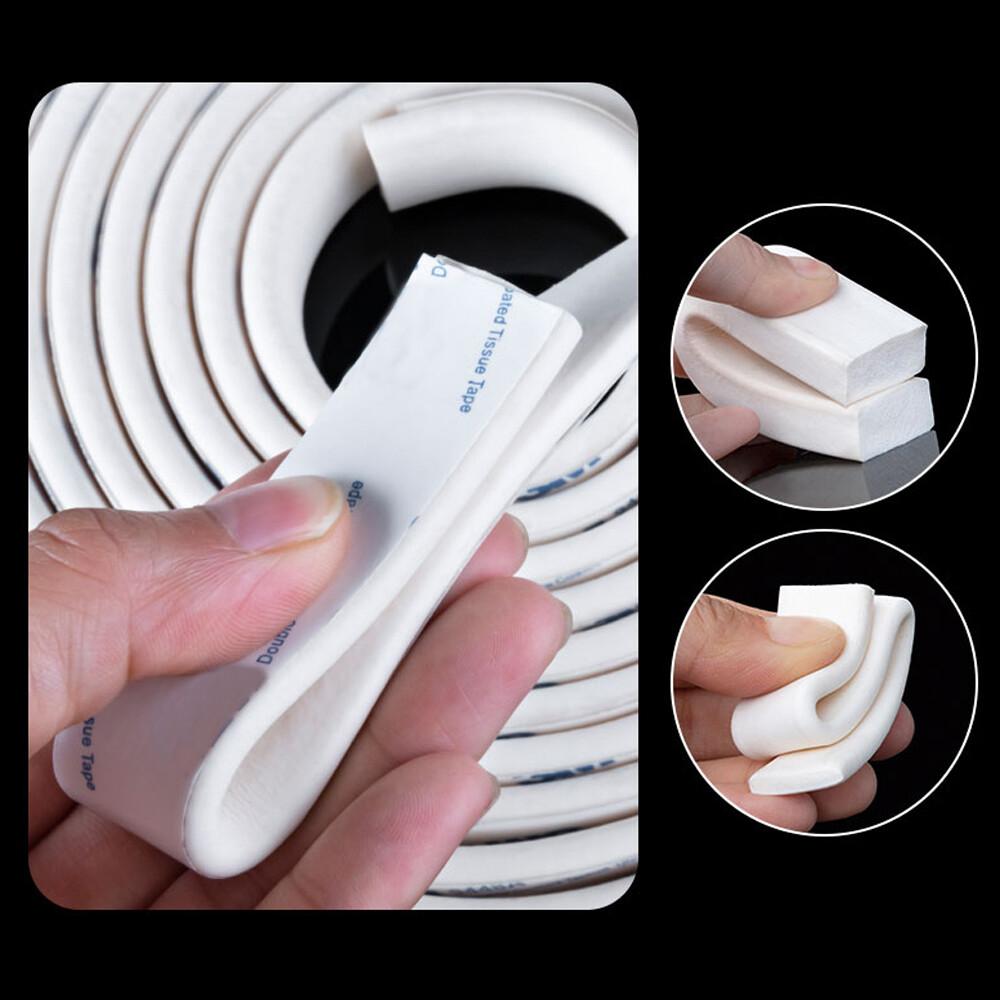
Evaluate the adhesive backing separately from the silicone foam material.
Suppliers may use these terms differently. The name alone does not confirm open-cell or closed-cell structure, density, or sealing performance. Ask for the exact grade, cell structure, and technical data sheet, then evaluate the strip in the intended joint.
Closed-cell material is commonly a starting point for dust and moisture sealing. Open-cell grades are often considered for airflow, cushioning, and selected low-force applications. Neither label replaces the actual material data or assembly testing; a strip alone does not establish an IP rating.
Use the recommended compression range and force-deflection data for the selected grade. For a simple rectangular strip, compression equals the uncompressed thickness minus the installed gap, divided by the uncompressed thickness. A 4 mm strip in a 3 mm gap gives 25% compression as a calculation example, not a universal design recommendation.
The temperature range depends on the formulation, exposure duration, and service conditions. Request continuous and short-term ratings for the proposed grade. If the strip has adhesive backing, check the adhesive and bonded substrate as well; the foam rating does not automatically apply to the entire assembly.
No. The strip must establish contact within the available closing force and retain useful recovery over time. Compare compression-force and compression-set data under stated conditions. Density and hardness help describe a material but cannot establish sealing performance by themselves.
SENMA offers custom silicone foam strips and related converting options. Send a drawing or sample, dimensions and tolerances, gap range, operating conditions, and quantity. State any adhesive, color, or documentation requirements so the suitable material and manufacturing options can be reviewed.
The right silicone foam sealing strip balances joint geometry, compression force, recovery, and environmental resistance. Start with the installed gap and service conditions, compare grade-specific data, and verify the complete joint before committing to a production specification.
Need help specifying a custom silicone foam sealing strip? Contact SENMA with your drawing or sample, installed gap, operating conditions, and quantity to request a material review and quotation.


