However, density is only one part of material selection. Cell structure, hardness, thickness and formulation also affect final performance.
Typical Silicone Foam Density Range
Industrial silicone foam sheets are commonly available in different density grades according to application requirements.
Typical density range:
0.25–0.60 g/cm³ (250–600 kg/m³)
| Density Grade |
Typical Density |
Main Characteristics |
| Ultra Soft |
0.20–0.30 g/cm³ |
Excellent flexibility, easy compression |
| Soft |
0.30–0.40 g/cm³ |
Low compression force, good gap filling |
| Medium |
0.40–0.50 g/cm³ |
Balanced sealing and durability |
| High Density |
0.50–0.60+ g/cm³ |
Strong support and compression resistance |
Note: Actual values may vary depending on silicone formulation, foaming process and product structure.
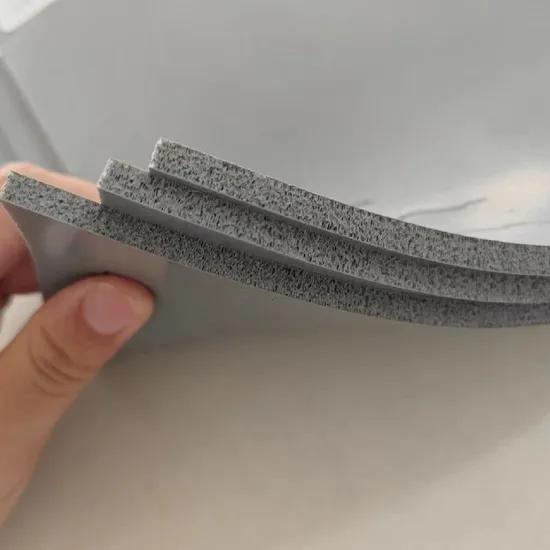
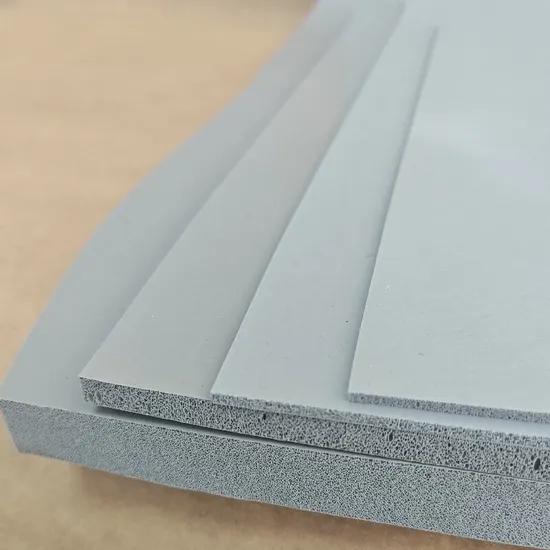
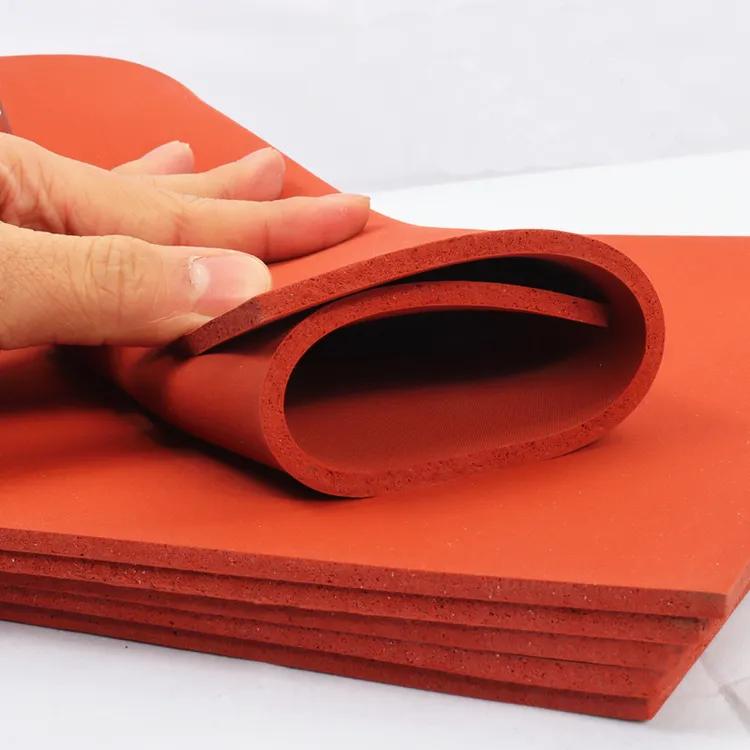
How Density Affects Silicone Foam Performance
1. Density and Compression Force
Compression force is critical for sealing applications.
A lower density silicone foam usually requires less force to compress, making it suitable for applications with sensitive components.
Higher density silicone foam provides stronger resistance against compression and better support under continuous load.
| Density |
Compression Force |
Suitable Applications |
| Low Density |
Low |
Electronics, LED, soft sealing |
| Medium Density |
Moderate |
Industrial gaskets, automotive, EV battery |
| High Density |
High |
heavy equipment |
2. Density and Flexibility
- Low Density Silicone Foam
Low-density silicone foam provides excellent flexibility and conformability.
Advantages:
- Soft texture
- Easy installation
- Excellent gap filling
Typical applications:
- Electronic enclosure sealing
- LED lighting
- Small equipment protection
- Cushioning pads
- Medium Density Silicone Foam
- Medium density is the most commonly selected grade for industrial sealing.
Advantages:
- Good balance between softness and strength
- Stable compression recovery
- Suitable for long-term sealing
Typical applications:
- Automotive components
- Electrical cabinets
- Industrial equipment
- HVAC systems
- High Density Silicone Foam
- EV battery packs
- High-density silicone foam is designed for applications requiring stronger mechanical performance.
Advantages:
- Higher compression resistance
- Better dimensional stability
- Longer service life under pressure
Typical applications:
- Outdoor enclosures
- Heavy industrial equipment
- High-performance gaskets
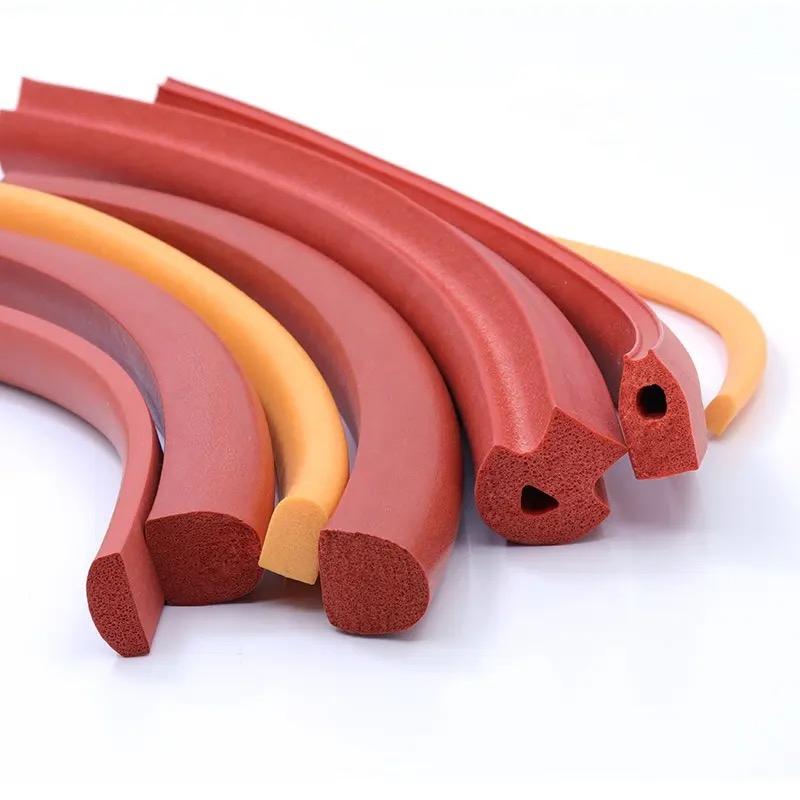
Silicone Foam Density vs Hardness
Density and hardness are two different properties and should not be confused.
| Property |
Density |
Hardness |
| Definition |
Weight per volume |
Resistance to deformation |
| Unit |
kg/m³ |
Shore OO / Shore A |
| Influences |
Support and compression |
Material feel and stiffness |
A higher-density silicone foam does not always mean higher hardness.
The final performance depends on:
- Silicone formulation
- Cell structure
- Curing process
- Manufacturing technology
How to Select Silicone Foam Density by Application
- Electronics & Semiconductor
Recommended density: 0.25–0.40 g/cm³
Requirements:
- Low compression force
- Good sealing performance
- Protection of sensitive components
Applications:
- Electronic housings
- Control panels
- Display equipment
- Semiconductor equipment
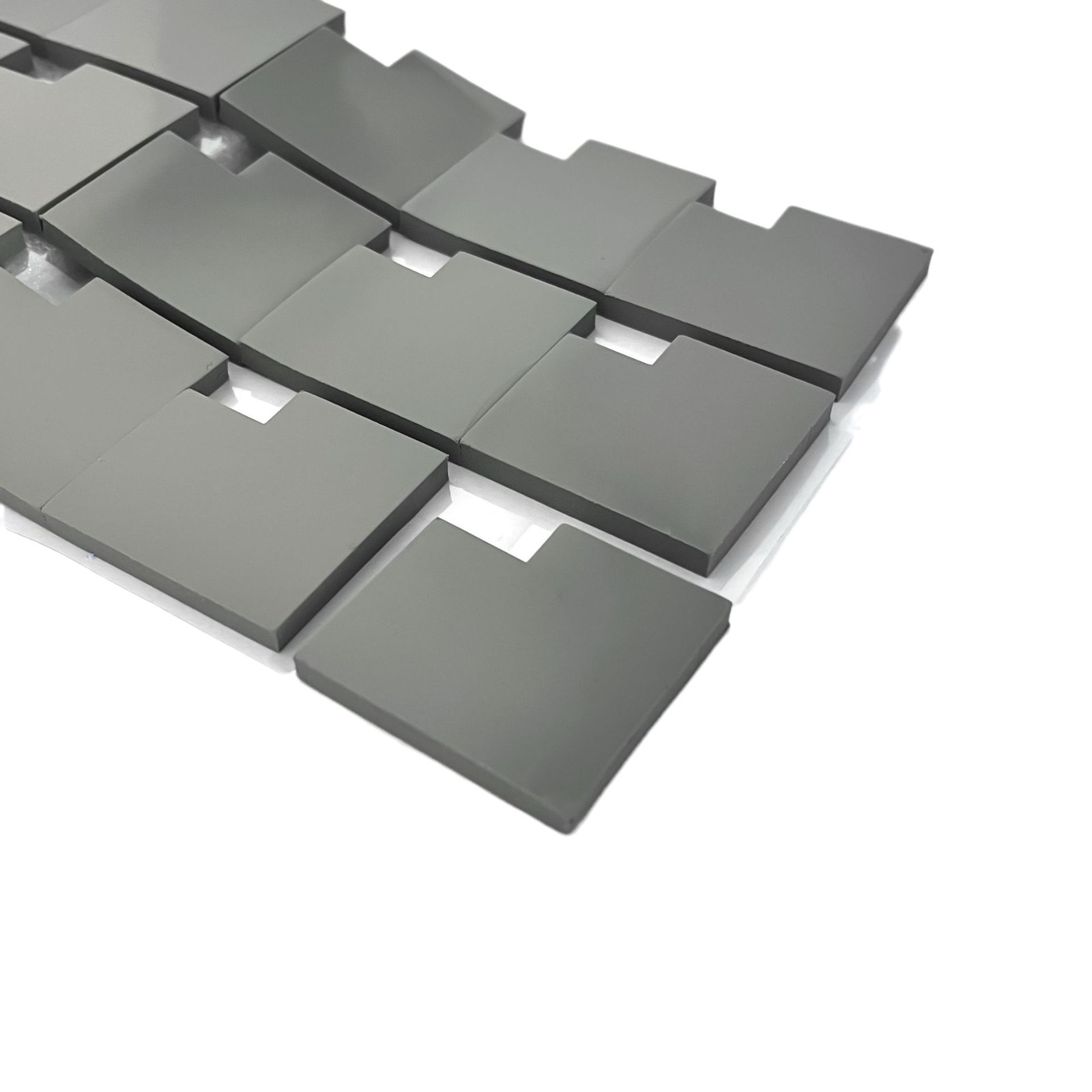
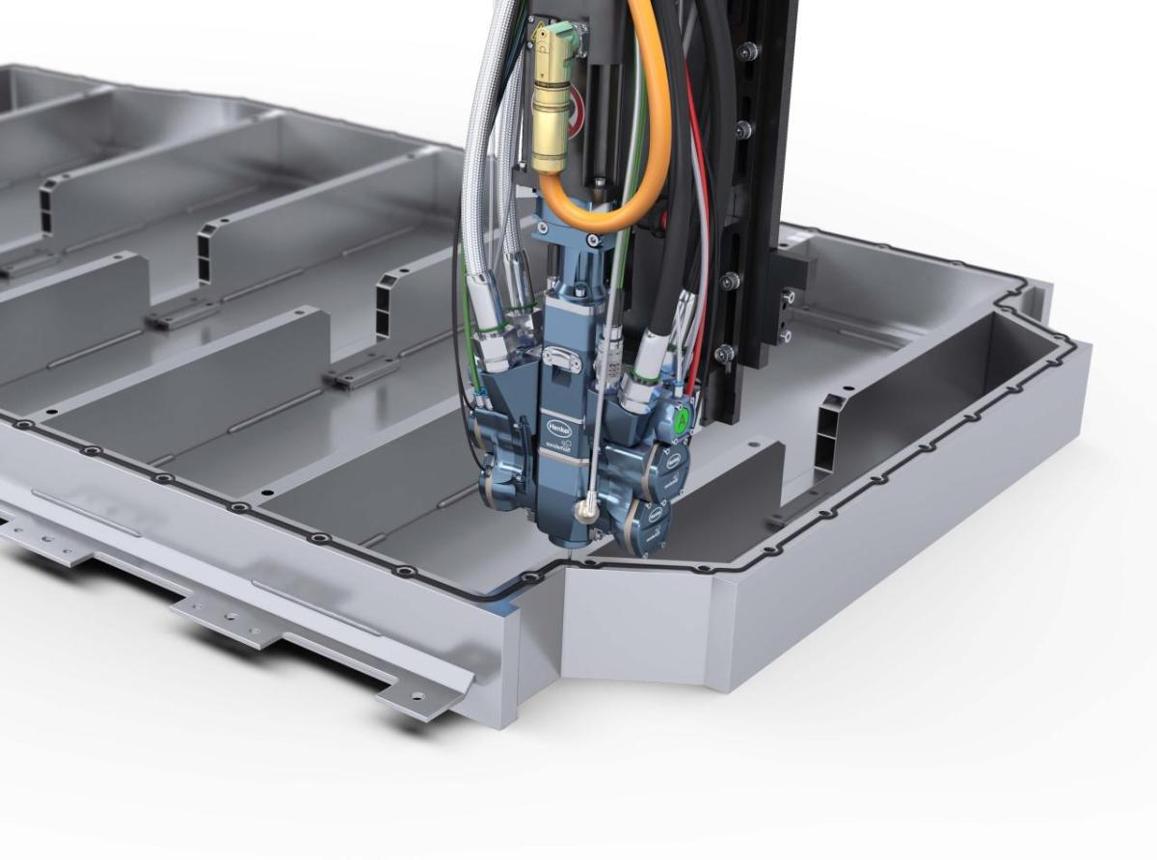
Recommended density: 0.35–0.50 g/cm³
Requirements:
- Vibration resistance
- Long-term compression recovery
- Temperature stability
Applications:
- Automotive electronics
- Sensors
- Vehicle sealing systems
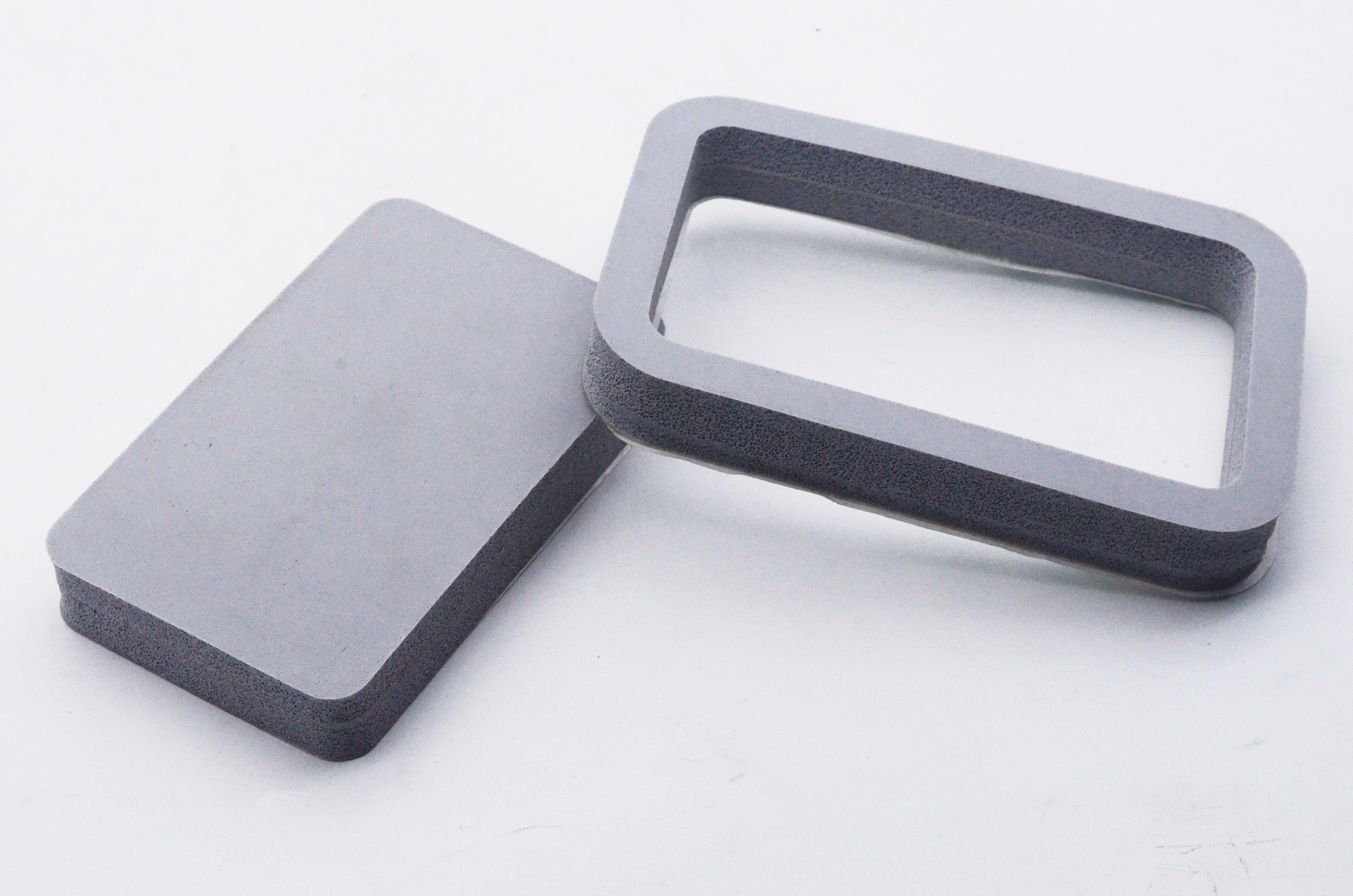
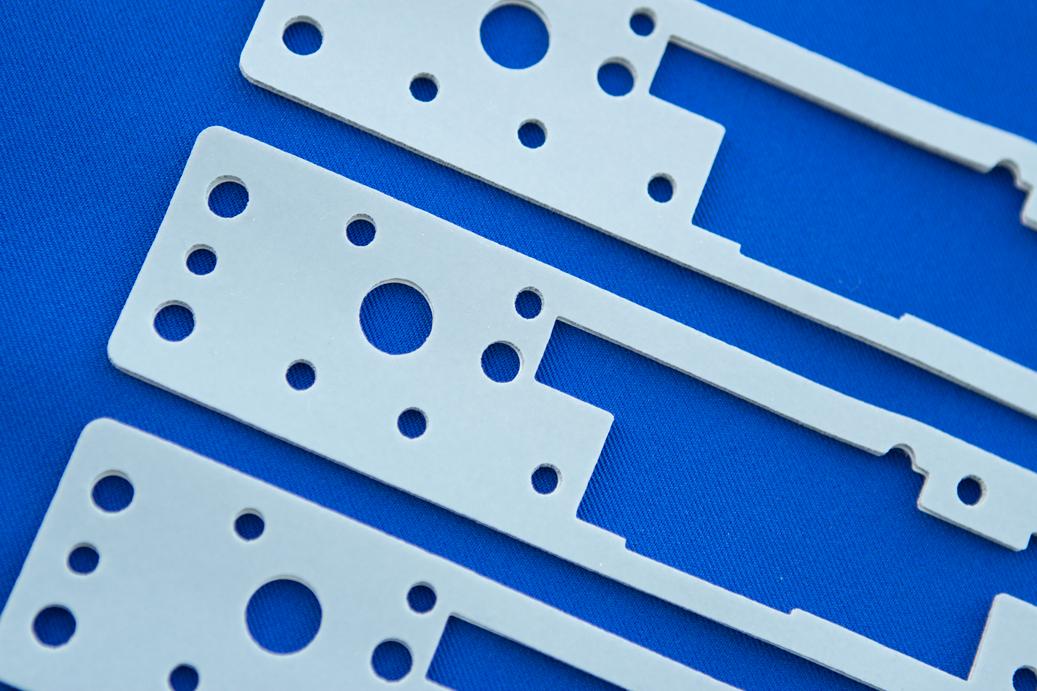
Recommended density: 0.40–0.60 g/cm³
Requirements:
- Reliable compression performance
- Environmental protection
- Long service life
Applications:
- Battery modules
- Battery enclosure sealing
- Thermal management systems
Recommended density: 0.45–0.60 g/cm³
Requirements:
- Mechanical support
- Weather resistance
- Durable sealing
Applications:
- Machine protection
- Outdoor cabinets
- Industrial enclosures
 Density Selection Guide Based on Requirements
| Requirement |
Recommended Density |
| Soft cushioning |
Low Density |
| Filling irregular gaps |
Low–Medium Density |
| General sealing |
Medium Density |
| Continuous compression |
Medium–High Density |
| Heavy-duty sealing |
High Density |
Relationship Between Density and Compression Set
Compression set refers to the permanent deformation after the foam has been compressed for a period of time.
For sealing applications, lower compression set usually means better long-term sealing performance.
Generally:
| Density |
Compression Set Resistance |
| Low Density |
Good |
| Medium Density |
Better |
| High Density |
Excellent |
However, compression set is also affected by:
- Temperature
- Compression ratio
- Silicone formulation
- Cell structure
Therefore, density should always be evaluated together with actual working conditions
Factors to Consider Before Choosing Density
Selecting silicone foam density requires considering:
1. Compression Requirement
How much force can your assembly handle?
Soft applications usually require lower density materials.
High-load sealing requires higher density grades.
2. Thickness
Density selection depends on thickness.
Example:
- Thin silicone foam gasket → may require higher support
- Thick silicone foam pad → may require softer material
3. Working Environment
Consider:
- Temperature
- Moisture
- UV exposure
- Chemicals
- Outdoor conditions
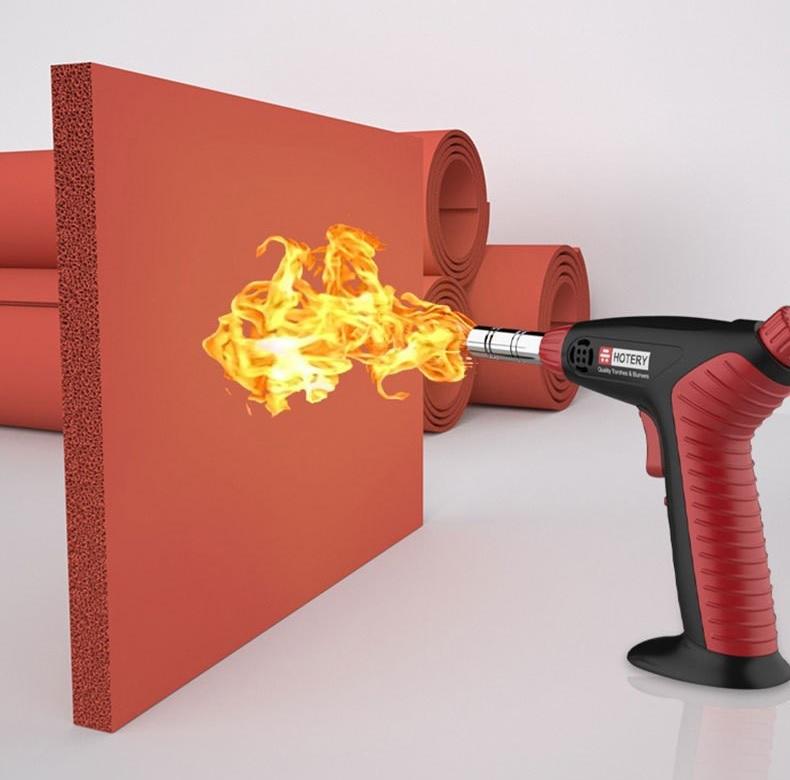
Silicone foam is widely selected because of its excellent temperature resistance and environmental stability.
Common Mistakes When Choosing Silicone Foam Density
Mistake 1: Choosing the Highest Density
Higher density does not always mean better performance.
Too high density may cause:
- Increased compression force
- Difficult assembly
- Poor surface conformity
Mistake 2: Ignoring Thickness
Density and thickness must be considered together.
A correct density with unsuitable thickness may still fail to provide proper sealing.
Mistake 3: Only Comparing Price
For industrial applications, long-term reliability is usually more important than initial material cost.
Why Choose Custom Silicone Foam Solutions?
Different industries require different silicone foam properties.
A professional manufacturer can customize:
- Density grades
- Thickness
- Cell structure
- Adhesive backing
- Die-cut shapes
- Custom dimensions
Dongguan Senma New Materials provides customized silicone foam solutions for sealing, insulation and cushioning applications.
Our engineering team helps customers select suitable silicone foam materials based on application requirements and performance expectations.
Frequently Asked Questions
1. What is the normal density of silicone foam sheet?
Industrial silicone foam sheets are commonly available from approximately 0.25–0.60 g/cm³, depending on formulation and application requirements.
2.Is higher density silicone foam better?
Not always. The best density depends on sealing requirements, compression force and operating conditions.
3. What density silicone foam is suitable for sealing?
Medium-density silicone foam is widely used because it provides a balance between flexibility, compression recovery and durability.
3. Does density affect silicone foam compression?
Yes. Density influences compression force, support strength and long-term sealing performance.
4. Can silicone foam density be customized?
Yes. Silicone foam manufacturers can adjust density and structure according to application requirements.
Conclusion
Selecting the correct silicone foam density is essential for achieving reliable sealing, insulation and cushioning performance.
Low-density silicone foam provides excellent flexibility and gap filling, medium-density silicone foam offers balanced performance for most industrial applications, and high-density silicone foam provides stronger support for demanding environments.
When choosing silicone foam sheets, engineers should evaluate density together with thickness, compression performance and working conditions.
Need help selecting the right silicone foam density? Contact Dongguan Senma for a customized material recommendation.


