Ultimate Guide to Silicone Foam: Properties, Applications
Key Takeaways:
-
Silicone foam is designed for sealing, cushioning, thermal stability, and long-term compression recovery rather than high structural strength.
-
Closed-cell silicone foam is the preferred choice for most industrial sealing applications because it resists moisture, dust, UV exposure, and weathering.
-
Material selection should consider compression force, density, operating temperature, sealing requirements, and service life—not just hardness or thickness.
-
A lower-density silicone foam is not necessarily a lower-performance material. In many sealing applications, it actually delivers better compression and sealing efficiency.
-
Industries including electric vehicles, energy storage, electronics, medical equipment, transportation, and semiconductor manufacturing rely on silicone foam for reliable environmental sealing.
-
Understanding how silicone foam behaves in real working conditions is far more valuable than comparing technical data sheets alone.
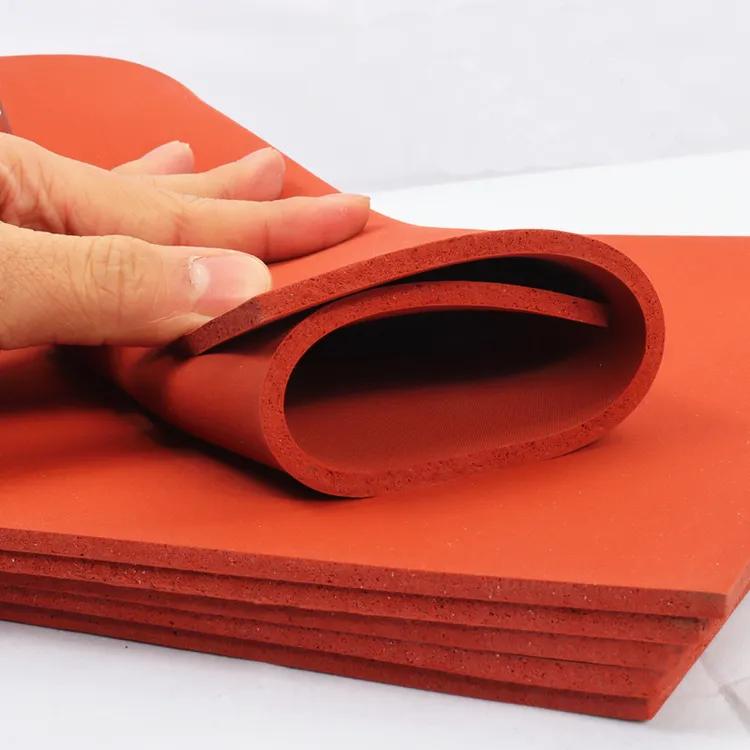
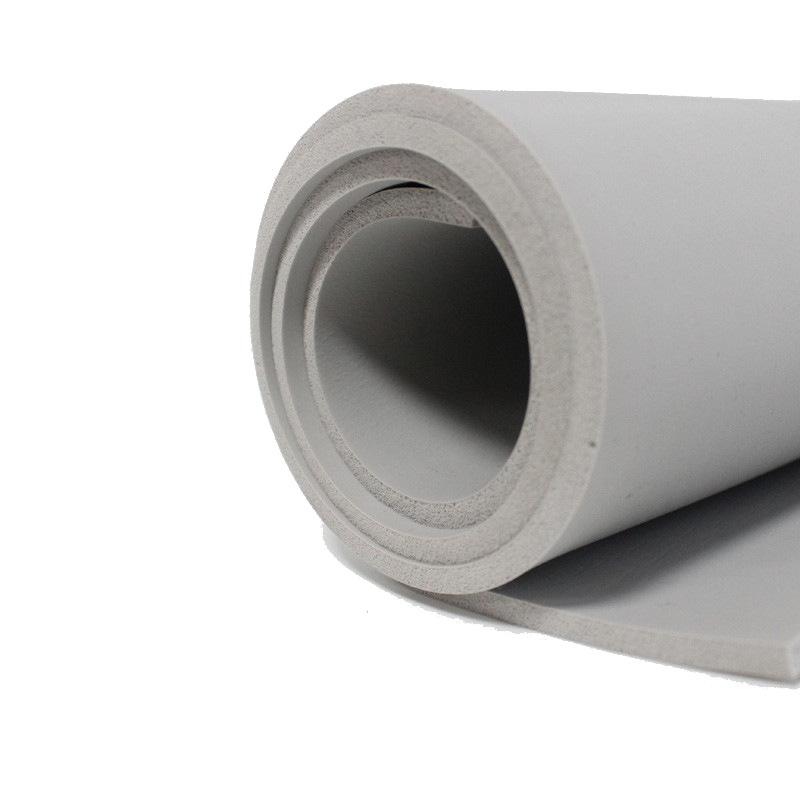
Why Silicone Foam Has Become an Essential Engineering Material
Selecting a sealing material sounds simple—until it is used in real conditions.A gasket that passes lab tests may lose performance after repeated compression, heat, vibration, moisture, or UV exposure. This is the challenge engineers face in applications where long-term reliability matters. This is why silicone foam is widely used in modern industrial equipment.Compared with many conventional rubber foams, silicone foam offers strong elasticity and excellent resistance to temperature extremes, weathering, ozone, and aging. It is designed to maintain stable sealing performance over time, even in harsh environments.Today, silicone foam is used in battery packs, outdoor electrical enclosures, railway systems, medical devices, industrial automation equipment, communication cabinets, LED lighting, and semiconductor systems.However, choosing the right silicone foam is not as simple as selecting a thickness or hardness value.Density, cell structure, and installation method all affect sealing performance. This guide explains the key factors engineers, designers, and buyers should consider when selecting silicone foam for real applications.
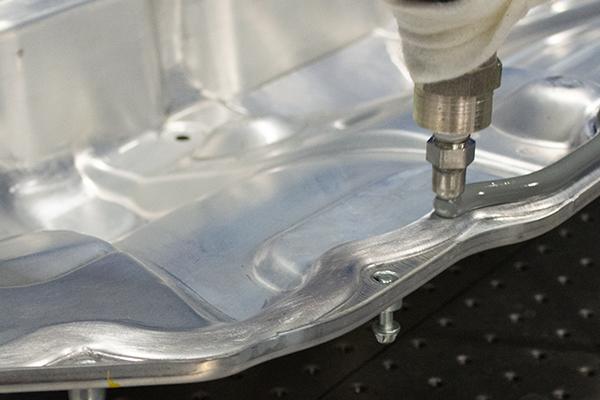
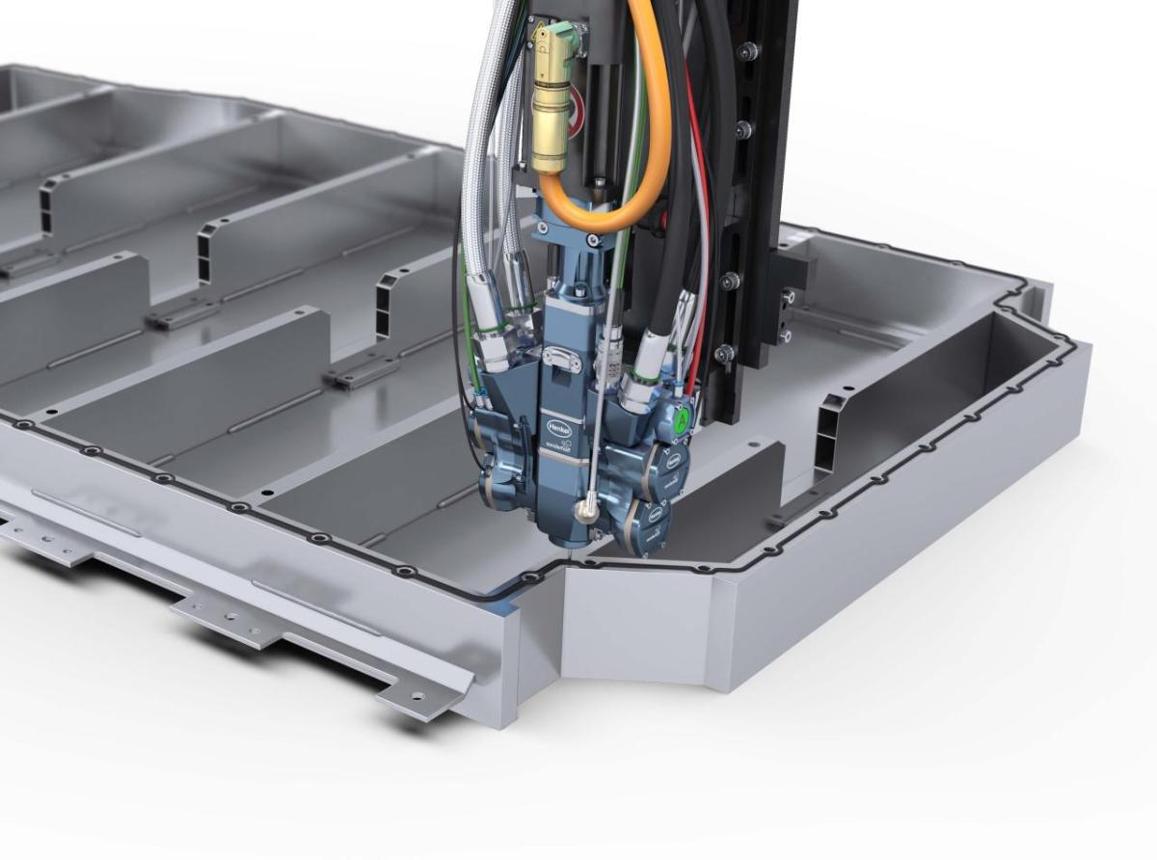
What Exactly Is Silicone Foam?
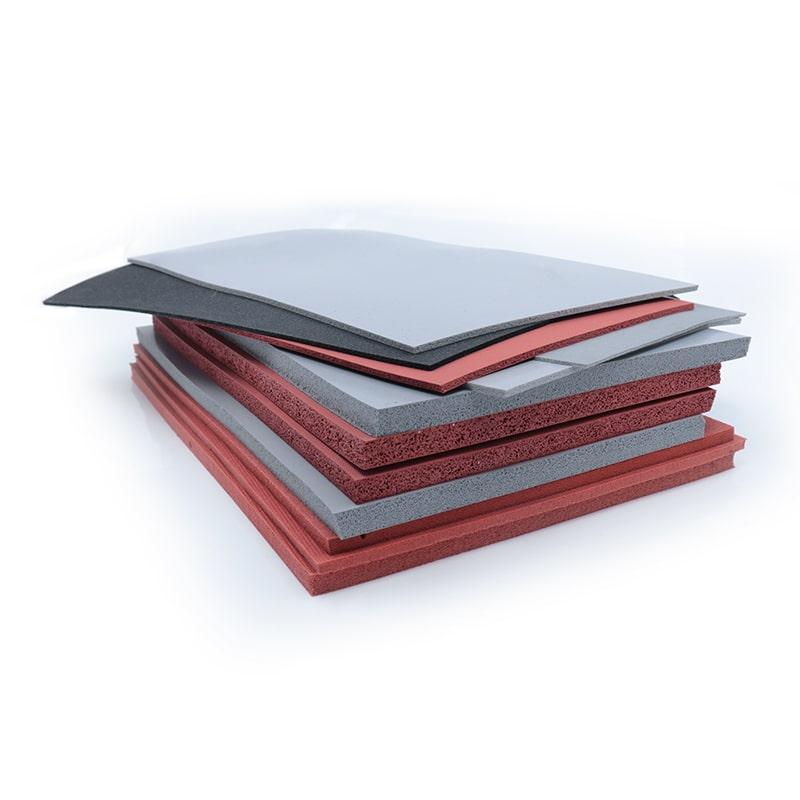
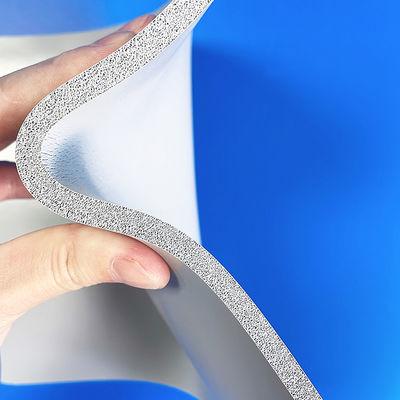
Silicone foam is an expanded elastomer produced by introducing microscopic gas cells into silicone rubber during the manufacturing process. Those tiny cells dramatically change how the material behaves.
Instead of acting like a dense rubber sheet, silicone foam compresses under relatively low pressure, adapts to uneven surfaces, and recovers after repeated compression cycles. The result is a lightweight material capable of maintaining reliable seals while reducing assembly stress.
Although the chemistry remains silicone, its internal structure creates an entirely different set of engineering advantages. This distinction explains why silicone foam is frequently selected for sealing applications, while solid silicone is typically chosen for molded components requiring higher mechanical strength.
Why Internal Structure Matters More Than Material Name
Many buyers compare silicone materials based only on product names. In practice, internal structure has a much greater influence on performance. Imagine two sheets with the same thickness. One is made from dense solid silicone. The other contains millions of microscopic closed cells distributed evenly throughout the material. They may look similar before installation, but they behave very differently once compressed.Solid silicone resists deformation and requires greater force to create an effective seal.Silicone foam, on the other hand, conforms to surface irregularities much more easily. This ability becomes particularly valuable when manufacturing tolerances cannot be perfectly controlled.Rather than forcing every mating surface to be perfectly flat, silicone foam compensates for minor dimensional variations while maintaining consistent contact pressure.That characteristic alone has made it a preferred sealing solution in many modern enclosure designs.
How Silicone Foam Is Manufactured
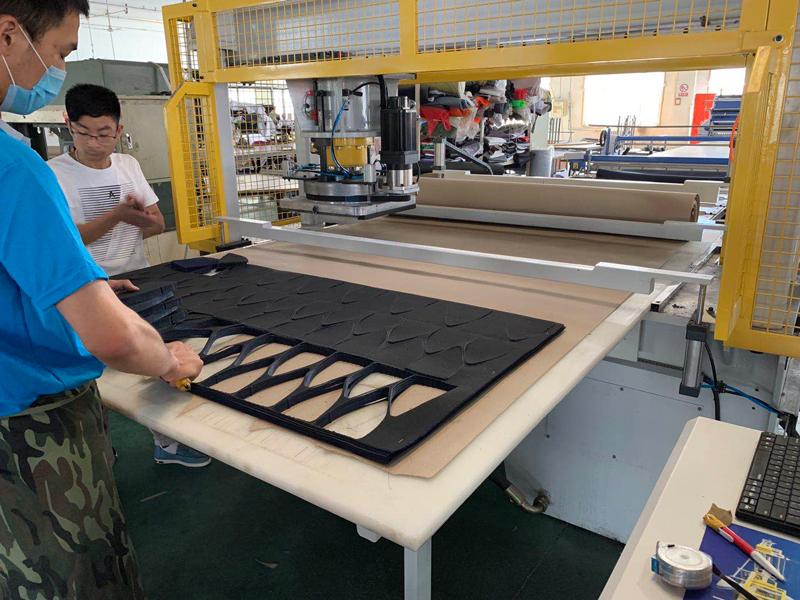
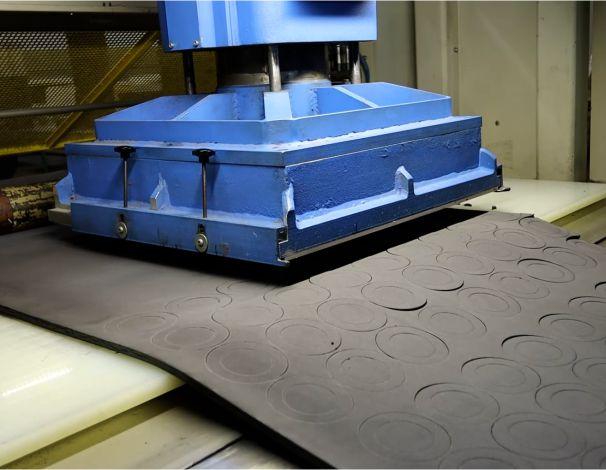
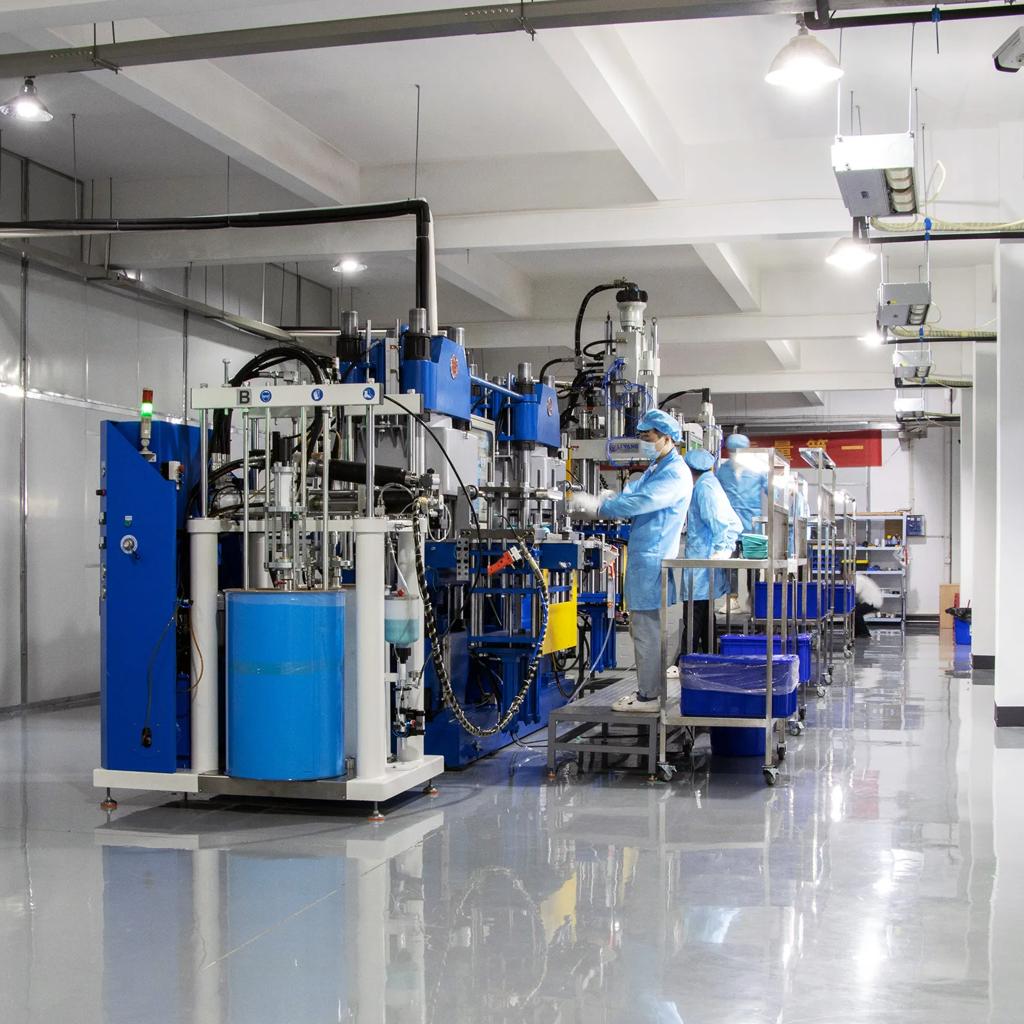
The manufacturing process has a direct impact on material consistency. Although production methods vary, the general process includes:Preparing the silicone compound with reinforcing fillers and additives.Introducing a controlled foaming system.Expanding the material under carefully regulated temperature conditions.Vulcanizing the foam to stabilize its cellular structure.Trimming, slitting, laminating adhesive (if required), and converting into finished sheets or rolls.Uniform cell distribution is one of the most important quality indicators.An uneven cellular structure may lead to inconsistent compression, variable sealing performance, or premature material fatigue. For industrial applications, consistency across the entire sheet is often more important than achieving the lowest material cost.
The Properties That Matter Most in Real Applications
Technical data sheets provide valuable information, but numbers alone rarely tell the whole story. Successful material selection depends on how those properties interact under real operating conditions.
1. Compression Recovery
Compression recovery determines whether a gasket continues sealing after repeated loading.A material with good recovery returns close to its original thickness after compression is released. Poor recovery often leads to permanent deformation, reducing sealing effectiveness over time. For enclosures that are opened and closed repeatedly, compression recovery is one of the first properties engineers evaluate.
2. Compression Set
Compression set measures permanent deformation after prolonged compression.Lower compression set generally indicates better long-term sealing reliability. Rather than focusing only on initial softness, engineers often pay closer attention to how the material performs after thousands of compression cycles.
3. Density
Higher density does not automatically mean higher quality. A lower-density silicone foam may provide better sealing performance when limited clamping force is available.Conversely, higher-density grades are often selected where greater support or reduced deflection is required. The correct density depends entirely on the application—not on the assumption that denser materials perform better.
4. Operating Temperature
One of silicone foam's defining advantages is its ability to remain flexible across a broad temperature range.Unlike many conventional foam materials, silicone foam maintains stable performance in both extremely cold and elevated-temperature environments. This makes it suitable for outdoor equipment, automotive systems, and industrial electronics that experience significant temperature fluctuations.
5. Flame Resistance
Many industrial silicone foams are available in flame-retardant grades. For applications involving electrical equipment, battery systems, or public transportation, selecting the appropriate flame rating is often part of the overall safety strategy.

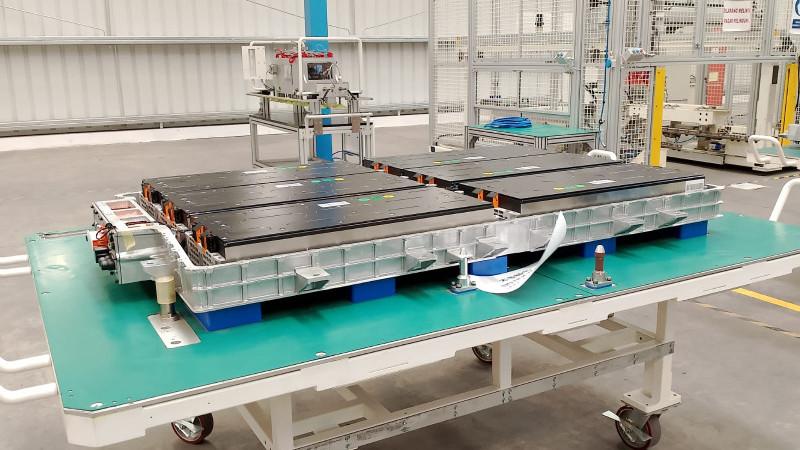
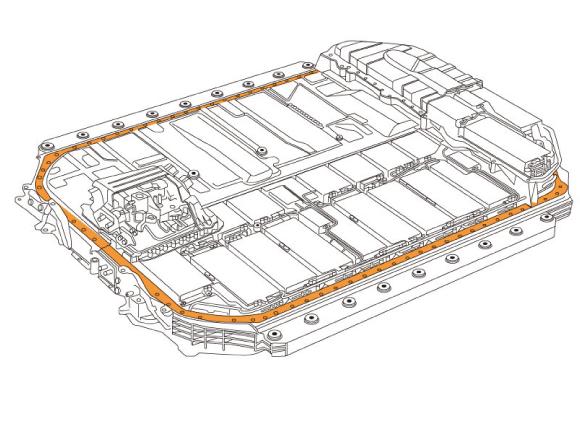
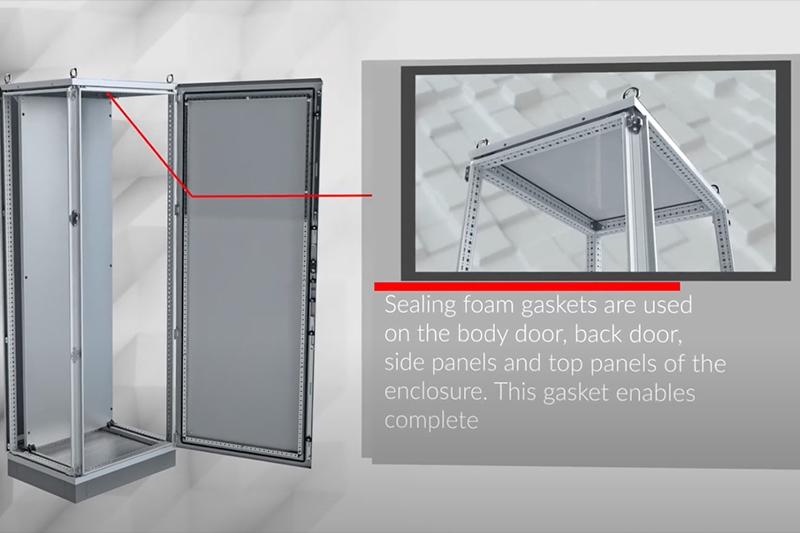 Silicone foam is used wherever long-term sealing performance matters more than structural strength.
1. Electric Vehicle Battery Packs
Battery enclosures must withstand vibration, temperature cycling, moisture, and dust while maintaining reliable sealing over many years. Silicone foam helps compensate for manufacturing tolerances and reduces stress on enclosure components.
2. Energy Storage Systems (ESS)
Large outdoor energy storage cabinets require dependable environmental protection. Silicone foam provides sealing around doors, access panels, cable entries, and inspection covers.
3. Electronics and Communication Equipment
Industrial control systems, communication cabinets, and power distribution equipment often operate in harsh environments. Reliable sealing helps protect sensitive electronics from contamination while reducing maintenance requirements.
4. Semiconductor Manufacturing Equipment
Semiconductor production demands clean, stable operating conditions. Silicone foam is commonly used where controlled sealing and chemical resistance are required without introducing excessive compression force.
5. Medical Equipment
Medical devices frequently require materials that remain stable during repeated cleaning, sterilization, and long service periods. Depending on the application, silicone foam can provide both cushioning and environmental sealing.
Five Questions to Ask Before Choosing Silicone Foam
Instead of selecting material based only on a specification sheet, consider these practical questions.
1. How much compression force is available?
Not every assembly can generate high clamping pressure.
2. Will the gasket be compressed continuously?
Long-term compression requires materials with good recovery characteristics.
3. Will the product operate outdoors?
Weather resistance becomes far more important than appearance.
4. Does the application require flame resistance?
Industry standards may determine the appropriate material grade.
5. Is reducing overall system weight important?
Lightweight sealing materials may improve both performance and manufacturing efficiency.
Common Material Selection Mistakes
Over the years, several selection mistakes appear repeatedly across different industries.
- Choosing the Highest Density Without Understanding the Application.
Higher density does not guarantee better sealing.
- Ignoring Compression Ratio
Even high-quality silicone foam can fail if compressed beyond its recommended working range.
- Focusing Only on Initial Cost
Replacing failed seals usually costs much more than selecting the appropriate material from the beginning.
- Assuming All Silicone Foams Are Identical
Different formulations, densities, cell structures, and manufacturing methods produce noticeably different performance characteristics.
Frequently Asked Questions
1. Is silicone foam waterproof?
Closed-cell silicone foam offers excellent resistance to water and moisture, making it suitable for outdoor sealing applications.
2. Can silicone foam handle high temperatures?
Yes. One of its key advantages is maintaining flexibility and sealing performance across a wide operating temperature range.
3. Is silicone foam better than solid silicone?
Neither material is universally better. Silicone foam is optimized for sealing and cushioning, while solid silicone is preferred when mechanical strength is the priority.
4. How long does silicone foam last?
Service life depends on operating conditions, compression ratio, and environmental exposure. Properly selected silicone foam can provide reliable sealing performance for many years.
5. Can silicone foam be customized?
Yes. Industrial silicone foam is commonly supplied in different thicknesses, densities, colors, adhesive-backed versions, and precision die-cut components.
Final Thoughts
Silicone foam is more than a lightweight sealing material. Its real value lies in its ability to maintain reliable performance when products face years of compression, changing temperatures, vibration, and environmental exposure. Selecting the right grade involves much more than matching a specification sheet. Compression behavior, density, recovery, flame performance, installation method, and operating environment all influence long-term reliability.For engineers, the goal is not simply to choose silicone foam—it is to choose the right silicone foam for the job. Taking the time to evaluate these factors early in the design process often leads to better sealing performance, fewer maintenance issues, and a longer service life for the finished product.