
Choosing the right sealing material is essential for ensuring long-term product performance. In applications exposed to heat, moisture, vibration, or harsh environments, the material must provide reliable sealing while maintaining its properties over time.
Liquid silicone foam sheet is widely used in industries such as electric vehicles, electronics, medical devices, and industrial equipment because of its excellent thermal stability, compression recovery, and weather resistance. Available in sheets, rolls, or custom die-cut parts, it offers a flexible solution for a wide range of sealing and cushioning applications.
In this guide, we'll explore its key properties, manufacturing process, common applications, and practical tips for selecting the right material for your project.
Before exploring the technical details, here are the key points covered in this guide.
| Feature | Details |
|---|---|
| Material | Closed-cell foam made from Liquid Silicone Rubber (LSR) |
| Temperature Range | Typically -60°C to +220°C, with higher-temperature grades available |
| Main Benefits | Excellent sealing, cushioning, thermal stability, and weather resistance |
| Common Applications | EV batteries, electronics, medical devices, LED lighting, industrial equipment |
| Processing Options | Sheets, rolls, adhesive-backed materials, and custom die-cut parts |
| Customization | Thickness, density, hardness, color, adhesive, and dimensions |
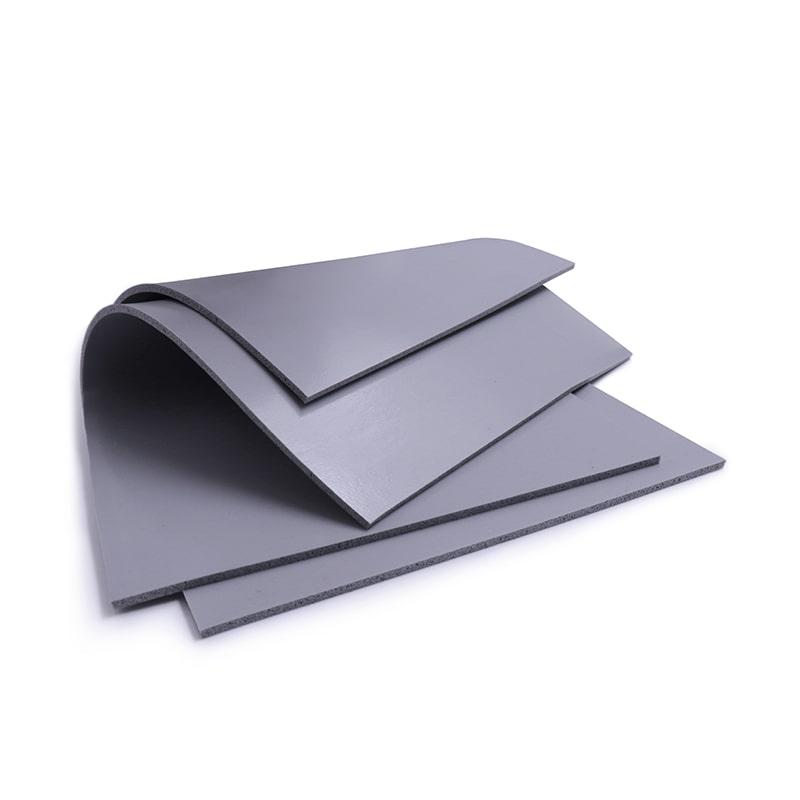
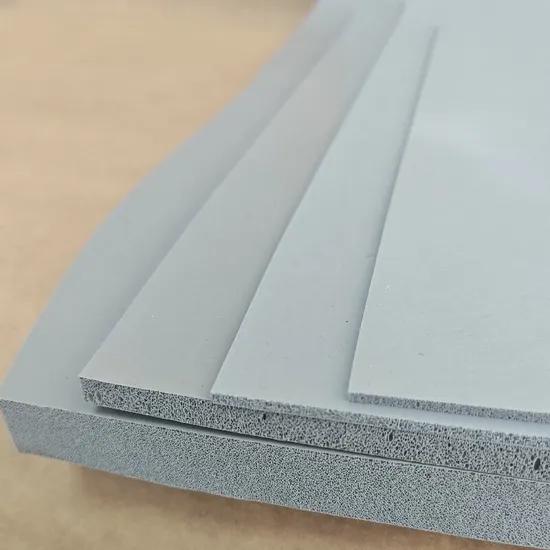
Liquid silicone foam sheet is a lightweight elastomeric material produced by foaming Liquid Silicone Rubber (LSR) under controlled manufacturing conditions. During the curing process, millions of tiny closed cells are evenly formed throughout the material, creating a foam that combines softness with excellent mechanical strength and long-term stability.
Unlike traditional silicone foam, which is typically made from solid silicone compounds, liquid silicone foam starts with liquid silicone rubber. This manufacturing process provides better control over cell structure, density, and thickness, resulting in a more uniform material with consistent performance from batch to batch.
Because of its closed-cell structure, liquid silicone foam offers excellent resistance to water, dust, and environmental aging while maintaining good compression recovery. These characteristics make it an ideal choice for sealing applications that require reliable performance over many years.


Liquid silicone foam sheet is valued for several performance advantages:
These properties allow a single material to provide sealing, cushioning, insulation, and vibration damping in a wide range of industrial products.
Liquid silicone foam sheet combines sealing, cushioning, insulation, and durability in one material. Its excellent thermal stability, compression recovery, and environmental resistance make it a reliable choice for demanding industrial applications.
Liquid silicone foam performs reliably from -60°C to +220°C, with some grades suitable for short-term exposure up to 250°C. It remains flexible in cold environments and stable under continuous heat, making it ideal for EV batteries, electronics, and industrial equipment.
Its uniform closed-cell structure provides outstanding compression set resistance, allowing the material to maintain sealing performance even after long-term compression. This helps extend product life and reduce maintenance.
The closed-cell structure effectively blocks water, dust, and moisture, while silicone naturally resists UV, ozone, and weathering. It is well suited for outdoor applications such as charging stations, solar systems, and communication equipment.
Liquid silicone foam offers excellent dielectric properties, making it suitable for battery packs, power supplies, electrical enclosures, and other electronic devices that require both insulation and sealing.
Flame-retardant grades are available to meet requirements such as UL 94 V-0, providing additional safety for applications in electric vehicles, electronics, and industrial equipment.
Its resilient foam structure absorbs vibration and mechanical shock while protecting sensitive components. This makes it an effective solution for battery systems, precision instruments, and industrial machinery.
Silicone maintains its flexibility and sealing performance even after prolonged exposure to heat, UV radiation, and harsh weather. The result is a durable material that supports long-term product reliability and reduces maintenance costs.
| Property | Typical Value |
|---|---|
| Material | Liquid Silicone Rubber (LSR) |
| Cell Structure | Closed Cell |
| Density | 0.25–0.60 g/cm³ |
| Thickness | 1–20 mm |
| Operating Temperature | -60°C to +220°C |
| Short-Term Temperature | Up to +250°C |
| Flame Rating | UL 94 V-0 (Optional) |
| Processing | Sheet, Roll, Die-Cut, Adhesive Backing |
Note: Specifications can be customized based on density, thickness, and application requirements.
Choosing the right foam material is about more than meeting a single specification. A battery enclosure may require heat resistance, compression recovery, and electrical insulation at the same time, while an outdoor cabinet depends on waterproof sealing, UV resistance, and long-term durability.
Liquid silicone foam sheet brings these essential properties together in one material, allowing engineers to simplify product design without compromising performance. This versatility is one of the key reasons it is increasingly used in industries ranging from electric vehicles and electronics to medical devices and industrial automation.
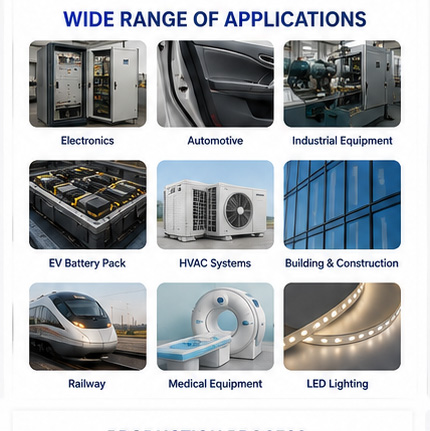
Thanks to its excellent sealing performance, thermal stability, and long service life, liquid silicone foam sheet is used across a wide range of industries. Its ability to combine sealing, cushioning, insulation, and vibration damping in one material makes it suitable for both standard and highly customized applications.
| Industry | Typical Applications | Key Benefits |
|---|---|---|
| Electric Vehicles | Battery packs, charging systems, BMS enclosures | Heat resistance, waterproof sealing, vibration damping |
| Electronics | Control cabinets, power supplies, display modules | Dust protection, electrical insulation, long-term sealing |
| Medical Devices | Diagnostic equipment, monitoring devices | Soft cushioning, chemical resistance, durability |
| LED Lighting | Outdoor lighting, street lamps | UV resistance, waterproof protection |
| Industrial Equipment | Machinery, automation systems, electrical enclosures | Shock absorption, long service life |
| Renewable Energy | Solar inverters, energy storage systems | Weather resistance, thermal insulation |
From protecting sensitive electronic components to sealing outdoor equipment against moisture and dust, liquid silicone foam provides reliable performance in environments where conventional foam materials may deteriorate over time.
Selecting the right material involves more than choosing a thickness or density. The best solution depends on the operating environment and the performance requirements of your product.
Here are a few key factors to consider during material selection.
Start by identifying the maximum and minimum temperatures the material will experience. For high-temperature applications such as battery systems or industrial equipment, choose a grade specifically designed for continuous thermal exposure.
Will the foam remain compressed for long periods? If the answer is yes, prioritize materials with excellent compression set resistance to ensure the gasket maintains sealing pressure throughout its service life.
Consider whether the product will be exposed to:
These factors will influence the required foam formulation.
Thicker foam does not always provide better sealing. Instead, choose a combination of thickness and density that provides sufficient compression without creating excessive assembly force. Working with Dongguan SENMA New Materials Co., Ltd. during the design stage can help determine the most suitable specification.
Finally, think about how the material will be used in production. Depending on your application, you may require:
Selecting Dongguan SENMA New Materials Co., Ltd. with converting capabilities can simplify your supply chain and improve production efficiency.


Even experienced buyers can overlook important details when selecting silicone foam materials. Avoiding the following mistakes can help improve product performance and reduce long-term costs.
Lower-cost foam may appear similar initially, but inconsistent density or poor compression recovery can shorten service life and increase maintenance costs.
A gasket that loses its elasticity over time can compromise sealing performance, especially in outdoor or high-temperature environments. Always consider long-term compression recovery rather than only initial softness.
Materials used outdoors require different properties than those used in controlled indoor environments. Factors such as UV exposure, moisture, ozone, and temperature cycling should all be considered during material selection.
Custom die-cut parts, adhesive backing, or tight dimensional tolerances may affect production lead time. Discussing these requirements early with your supplier can help avoid unnecessary delays during mass production.
Every application has different sealing requirements, which is why liquid silicone foam sheet is rarely a one-size-fits-all product.
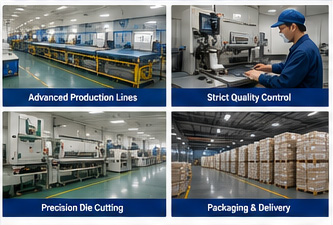
A professional manufacturer should be able to customize the material according to your design, production process, and performance requirements.
Common customization options include:
Working with SENMA SILICONE that provides both material production and converting services can help reduce lead times, simplify sourcing, and ensure consistent product quality.
1. Is liquid silicone foam sheet waterproof?
Yes. Most liquid silicone foam sheets feature a closed-cell structure that provides excellent resistance to water, dust, and moisture, making them suitable for outdoor sealing applications.
2. What temperature can liquid silicone foam withstand?
Standard grades typically operate from -60°C to +220°C, while some high-performance formulations can tolerate short-term exposure up to 250°C.
3. Can liquid silicone foam be die-cut?
Absolutely. It can be converted into custom gaskets, seals, pads, washers, and other precision components based on customer drawings or samples.
4. Is adhesive backing available?
Yes. Acrylic, silicone, and other pressure-sensitive adhesive options are available depending on the application and substrate.
5. What industries commonly use liquid silicone foam?
It is widely used in electric vehicles, electronics, medical devices, industrial equipment, LED lighting, renewable energy systems, and telecommunications.
6. How is liquid silicone foam different from traditional silicone sponge?
Liquid silicone foam is manufactured from Liquid Silicone Rubber (LSR), resulting in a more uniform cell structure, better dimensional consistency, and improved long-term compression recovery.
7. Can the material be customized?
Yes. Manufacturers can customize thickness, density, color, dimensions, adhesive backing, and die-cut shapes to meet specific project requirements.
Liquid silicone foam sheet is a reliable solution for applications that require durable sealing, cushioning, and insulation. With excellent resistance to heat, moisture, UV exposure, and long-term compression, it helps improve product reliability across industries such as electronics, EV batteries, medical devices, and industrial equipment.

