
As electronic devices become smaller and more powerful, efficient heat dissipation has become a key factor affecting product reliability and service life. Components such as CPUs, power modules, batteries, LEDs, and automotive electronics generate large amounts of heat during operation, requiring effective thermal management solutions.
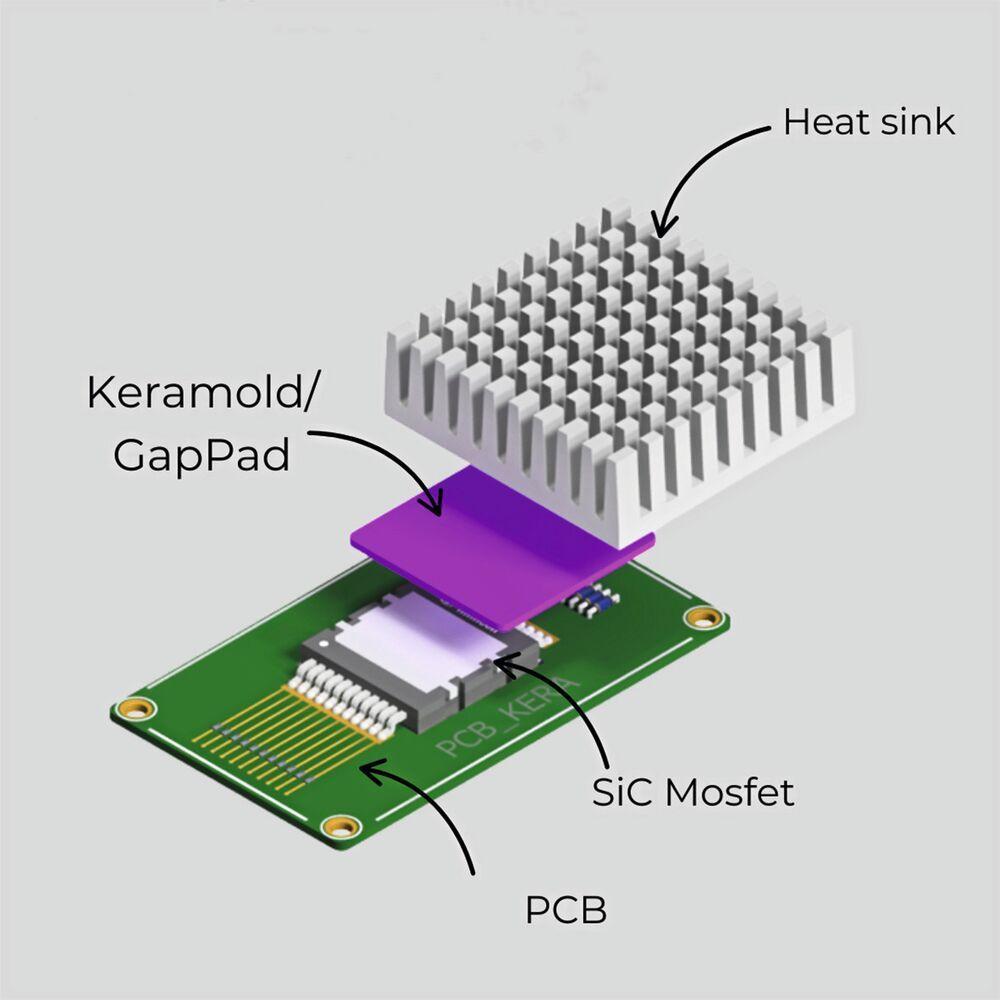
A thermal conductive silicone pad is one of the most widely used thermal interface materials (TIMs) for transferring heat between heat-generating components and heat sinks. It fills air gaps caused by uneven surfaces, improves heat transfer efficiency, and provides electrical insulation.
However, choosing the right thermal pad is not only about thermal conductivity. Factors such as thickness, hardness, compression, temperature resistance, and application requirements also influence overall performance.
This guide explains the key parameters engineers should consider when selecting a silicone thermal pad for electronics, power electronics, and EV applications.
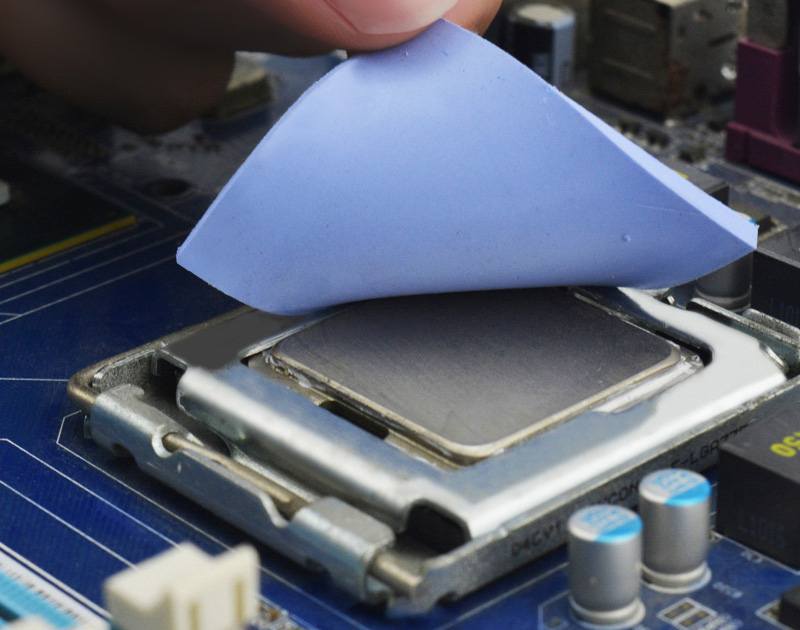
A thermal conductive silicone pad, also known as a thermal gap pad or thermal interface pad, is a soft silicone-based material filled with thermally conductive ceramic particles. Installed between heat-generating components and cooling devices such as aluminum heat sinks or metal housings, its primary engineering functions include:
Unlike thermal grease, silicone thermal pads are pre-formed materials with precise thickness control, making them easier to handle and install in mass production environments.


Thermal conductivity (W/m·K) indicates the rate at which heat transfers through a material. While a higher W/mK value generally denotes greater heat transfer capability, selecting the correct rating requires balancing performance with cost and mechanical softness.
| Conductivity Grade | Typical Application Scenarios |
|---|---|
| Low (1.0 - 2.5 W/mK) | General consumer electronics, lower-power microcontrollers, and basic LED drivers. |
| Medium (3.0 - 6.0 W/mK) | Standard power supplies, industrial equipment, telecom hardware, and automotive control units. |
| High (8.0 - 15.0 W/mK) | High-power density electronics, EV battery modules, GPU cooling, inverters, and high-frequency converters. A 10 W/mK thermal conductive silicone pad provides an optimal balance for demanding thermal loads. |
Key Design Consideration: Thermal conductivity is only one part of the equation. Total thermal resistance is affected by thermal conductivity, pad thickness, surface contact pressure, and interface roughness.
A thermal pad must bridge the actual physical gap between the component and the heat sink. Choosing an incorrect thickness directly impacts thermal efficiency and component reliability:
Standard production options typically range from 0.5mm to 5.0mm, alongside custom thickness options. Calculate actual tolerance stack-ups and measure compressed gaps prior to finalizing pad thickness.
Hardness dictates how much deflection a pad undergoes under a given mounting force. Choosing the right shore hardness rating ensures full surface wetting without over-stressing delicate components.
| Material Hardness | Key Performance Attributes | Recommended Use Case |
|---|---|---|
| Ultra-Soft / Low Hardness | High conformability under minimal clamping pressure; excellent gap filling on uneven surfaces. | Fragile IC chips, BGA components, and sensitive PCB traces. |
| Standard / High Hardness | Enhanced mechanical strength, higher puncture resistance, and easier manual handling. | Rugged industrial housings, heavy mechanical mountings, and high-vibration environments. |
In power systems and automotive electronics, thermal interface materials must double as high-voltage electrical insulators. Quality silicone thermal gap pads provide high dielectric breakdown voltage and flame retardancy (UL94 V-0 compliance), mitigating arcing risks across critical modules:
Thermal pads must withstand severe thermal cycling without drying out, hardening, or losing contact pressure over long service periods.
| Industry Sector | Thermal & Environmental Requirements |
|---|---|
| Consumer Electronics | Requires stable performance in compact housings with operating ranges typically from -40°C to 125°C. |
| Industrial Equipment | Demands long-term continuous thermal stability, resisting compression set and oil bleeding. |
| Automotive & EV Systems | Requires extended temperature endurance (-40°C to 150°C+), combined with resistance to severe vibration and environmental thermal shock. |
Electronics and Semiconductors: Fills interface gaps for CPUs, GPUs, memory chips, power ICs, and microprocessors to prevent localized thermal throttling.
Automotive and EV Systems: Used in EV battery pack cooling plates, onboard chargers (OBC), DC-DC converters, and motor drive inverters to manage heavy thermal loads safety.
LED Lighting Solutions: Dissipates concentrated heat away from high-lumen LED arrays to aluminum substrates, preventing color shift and operational degradation.
Power Electronics: Protects industrial power supplies, transformers, and switches operating under high voltage and continuous thermal strain.

| Feature | Thermal Silicone Pad | Thermal Grease / Paste |
|---|---|---|
| Thickness Control | Pre-formed, precise uniform thickness. | Variable; dependent on dispensing volume. |
| Gap Filling Ability | Fills larger gaps (0.5mm to 5mm+). | Limited to extremely thin bond lines (<0.1mm). |
| Installation & Cleanliness | Clean, rapid die-cut assembly placement. | Can be messy; risks contamination or squeeze-out. |
| Mass Production Suitability | High efficiency; available with pressure-sensitive adhesive. | Requires automated dispensing equipment for consistency. |
Standard catalog items often do not match complex geometric layouts. Custom thermal pad converting options include:
When qualifying a manufacturing partner for thermal interface materials, review four key supplier capabilities:
Selecting the ideal thermal conductive silicone pad requires systematically evaluating thermal conductivity, thickness, hardness, compression deflection, dielectric requirements, and operational temperatures. Utilizing properly specified thermal gap pads optimizes heat dissipation, protects sensitive components against mechanical shock, and ensures long-term operational reliability across demanding electronic assemblies.
Submit your application parameters, technical drawings, or material specifications to our engineering team. We assist in configuring precise solutions, including:
Contact SENMA SILICONE for a customized thermal management solution.

